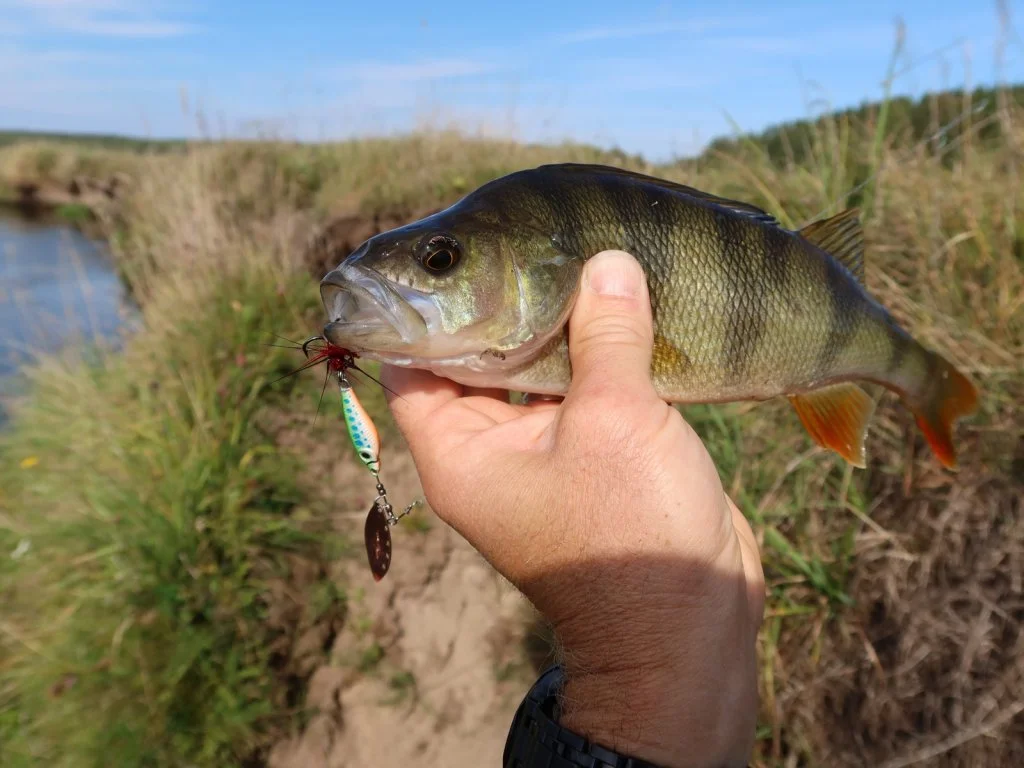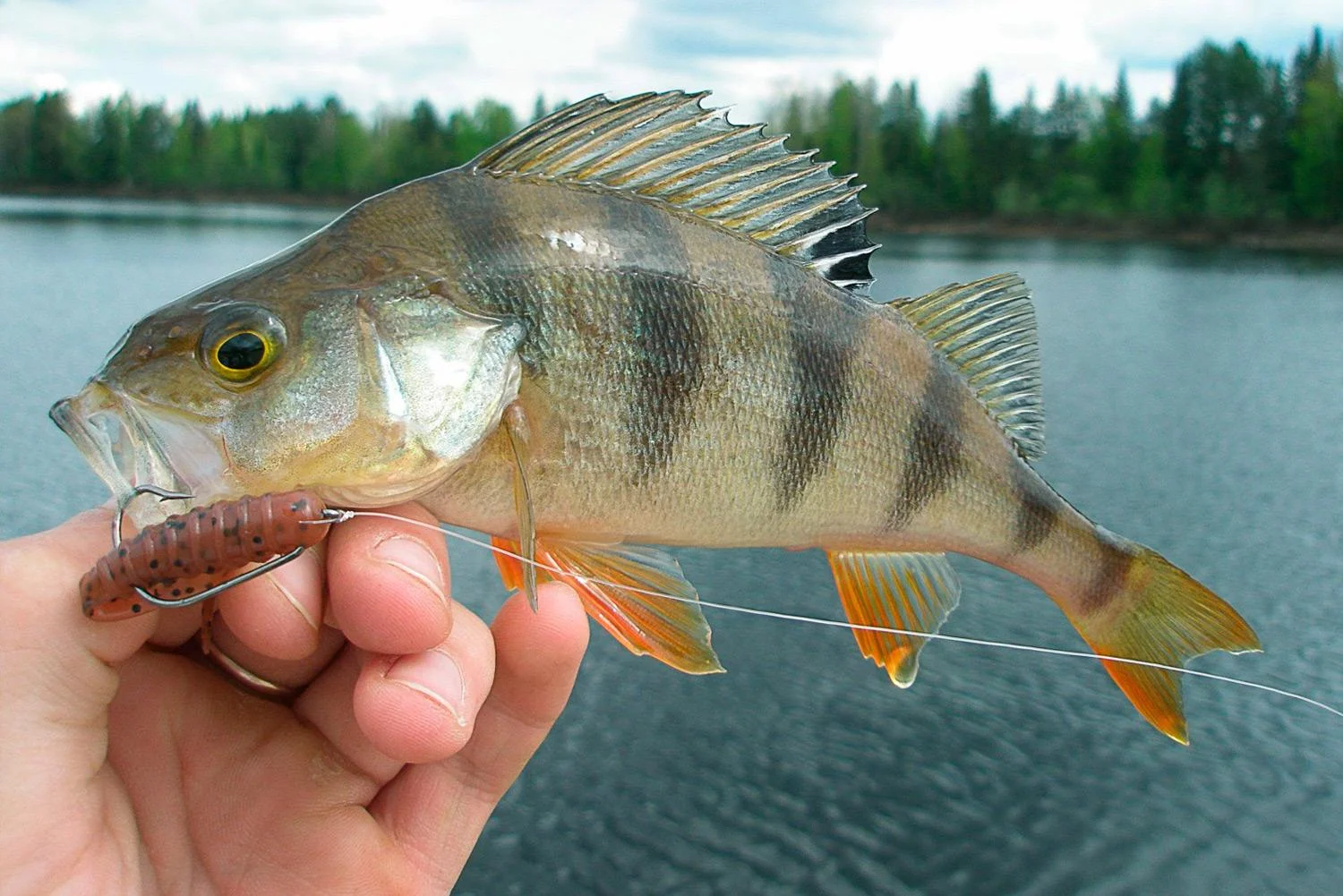
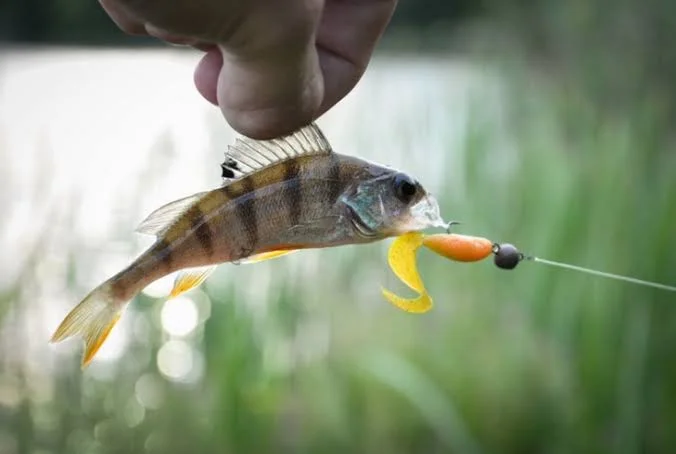
Scented soft plastics are among the most effective and affordable lures for targeting European perch (Perca fluviatilis). Whether you are fishing quiet rural gravel pits or urban canal walls, soft baits allow you to match every mood of the fish—from aggressive surface chasing to slow, subtle feeding along the bottom.
Scented and salted soft lures give you a distinct advantage: when a wary perch bites, the attractant and soft texture encourage the fish to hold on for a moment longer, giving you vital extra time to strike.
This guide outlines a practical, versatile lure box for European perch. Rather than relying on single “magic” lures, it explains what each shape does, when to use it, and how to fish it effectively on lakes, canals, rivers, and reservoirs.
What Size Soft Plastic Works Best for Perch?
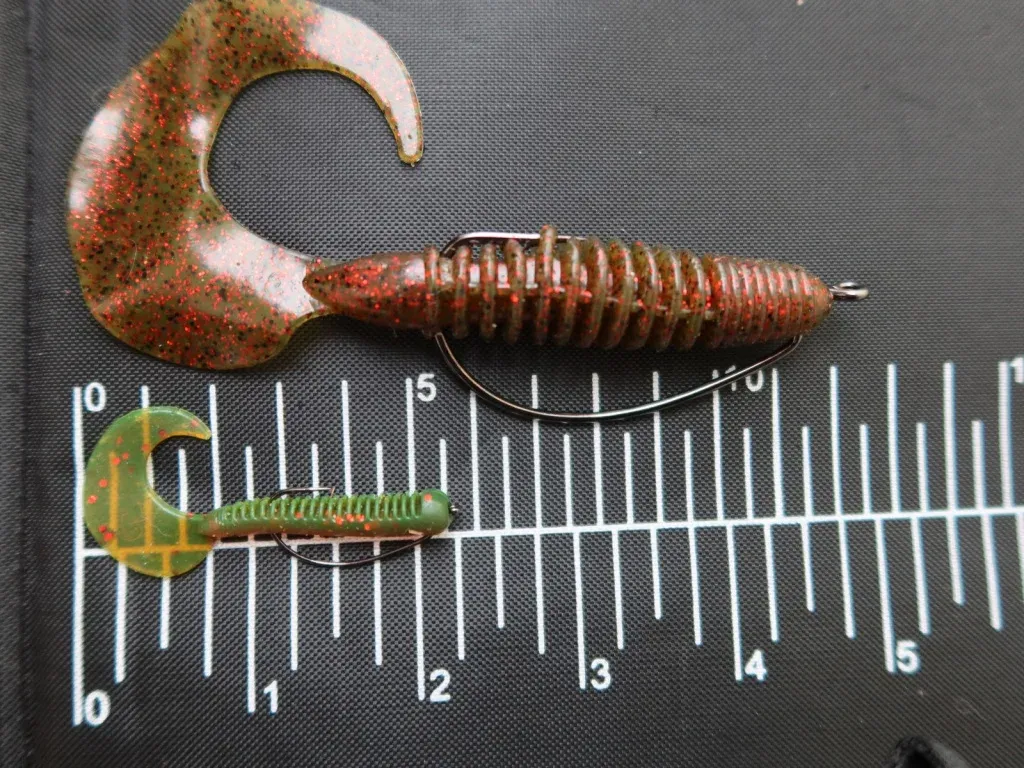 For general European perch fishing, lures between 2.5 cm and 7 cm (1.0 to 2.75 inches) cover most situations. Small canal perch and clear-water fish often prefer compact 2.5–5 cm baits. Larger specimen perch (35 cm+), especially in autumn, will aggressively strike 6–8 cm soft plastics as they target juvenile roach, perch, or bleak.
Essential Starter Selection
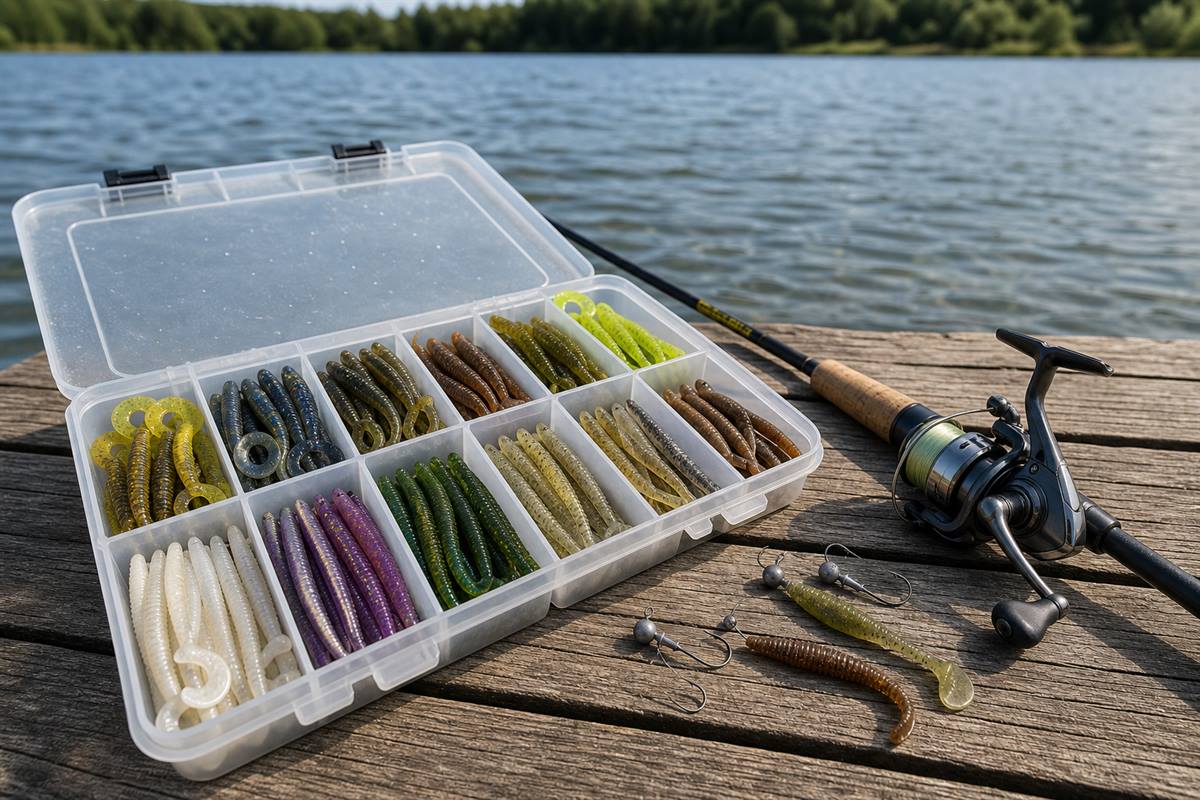
- 2.5–4 cm Curly Tail Grubs / Twisters: Perfect for micro jigging and catching high numbers of fish.
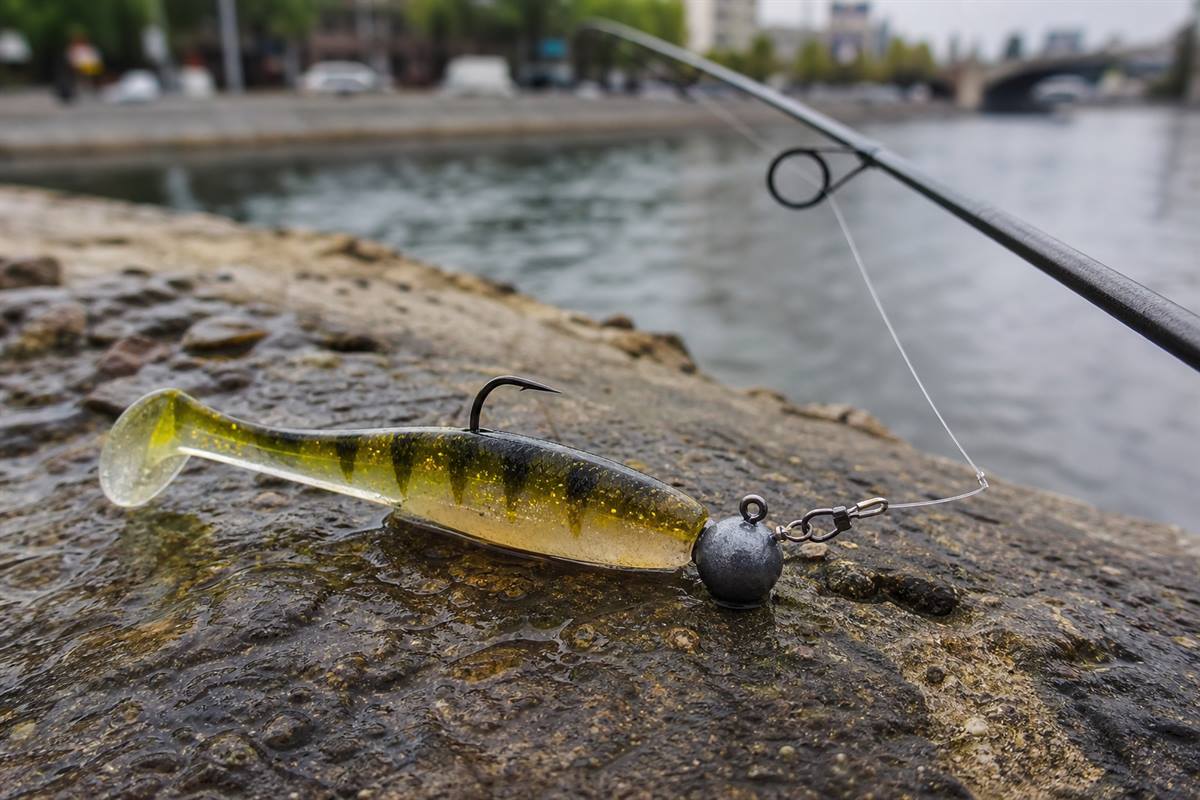
- 5–7 cm Paddle Tails (Shads): Great search baits for covering water and triggering active perch.
- 5–8 cm Worms and Pin-Tails: Ideal for Drop Shot, Ned Rig, Carolina, and slow bottom presentations.
- Light Jig Heads (1–5 g): The standard weight range for urban canals, shallow lakes, and quiet margins.
- Cheburashka (Flex) Heads (1–7 g): Excellent for providing extra lure movement on soft plastics.
1. Curly Tail Grubs and Twisters (Active Tail Lures)
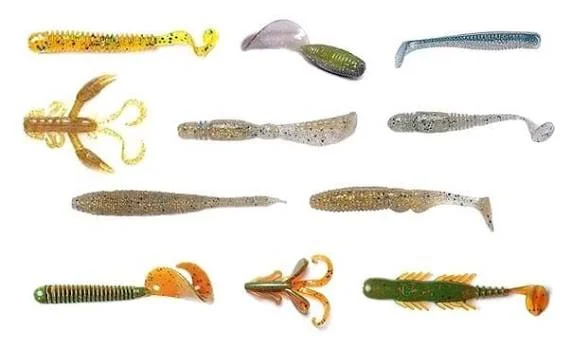 Curly-tail lures feature a curved tail that swims at very slow retrieve speeds. They produce steady low-frequency vibration, making them forgiving for beginners and highly effective for covering water quickly.
- When to use: Active perch, stained or murky water where vibration helps fish locate the lure, or fast searching along canal edges.
Popular European Styles & Models
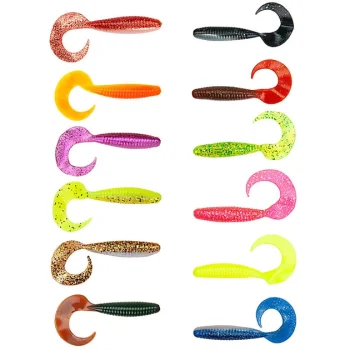
- Slim Twister-Worm Hybrids (e.g., Reins G-Tail Saturn, Keitech Custom Leech): A long, slender worm body with a small curly tail. Highly effective on pressured waters and during autumn when perch follow lures but refuse aggressive paddle tails.
- Micro Grubs (2.5–3.5 cm) (e.g., Relax Twister, Crazy Fish Angry Spin): Tiny active grubs for ultra-light micro jigging. They catch perch of all sizes and frequently attract non-predatory species like rudd, roach, and bream when retrieved slowly near the bottom.
- Thick-Bodied Grubs (5–7 cm) (e.g., Fox Rage Micro Grub, Savage Gear Pro Grub): A bulkier profile with a wide tail that creates strong water displacement. A classic “confidence bait” when perch are actively hunting small baitfish.
2. Paddle Tails and Shads (Baitfish Imitators)
Paddle tails (also called shads or swimbaits) feature a flat tail paddle that beats side-to-side during the retrieve, mimicking a small prey fish.
- When to use: When perch are hunting fry, when you need to cover large open water, or when searching along canal walls, reed lines, and drop-offs.
Popular European Styles & Models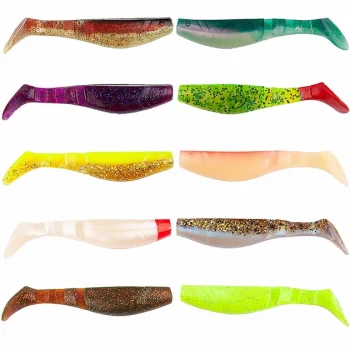
- Slim Ribbed Shads (e.g., Keitech Swing Impact, Fox Rage Slick Shad, Westin ShadTeez): The gold standard for perch soft plastics. The fine ribbing creates micro-turbulences, while the soft compound allows the tail to kick on the slowest drop.
Note: Very soft plastics tear quickly. Keep a few tougher lures (like Westin or Savage Gear) handy when small perch or jacks (small pike) are abundant. - Natural Minnow-Style Shads (e.g., Keitech Easy Shiner, Daiwa Tournament D’Fin): Sleek, natural minnow profiles that excel in clear water. Fish them on a steady retrieve with subtle twitches or let them fall on a tight line near underwater structures.
3. Worms, Creatures, and Passive Soft Baits
Passive soft baits—including straight worms, creature baits (craws/nymphs), and pin-tails—do not have a built-in tail action. Their movement comes entirely from rod-tip twitches, water currents, or weight movement.
- When to use: Cold water, after a sudden weather drop, on heavily pressured urban venues, or when perch are following paddle tails without biting.
Popular European Styles & Models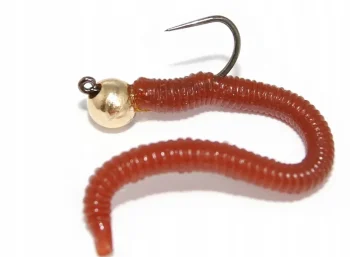
- Straight Ribbed Worms (e.g., Reins Shake Swamp, Keitech Sexy Impact, Berkley PowerBait Bottom Hopper): Exceptional on Drop Shot, Texas, or Ned rigs. Small rod-tip shakes cause the lure to quiver in place, tempting hesitant fish.
- Segmented Pin-Tails (e.g., OSP Dolive Stick, Lunker City Fin-S Fish): Darting action lures that mimic injured fry or aquatic insects. Best fished with short hops, bottom contact, and controlled falls.
- Floating Ned Rig Baits (e.g., Z-Man TRD, Savage Gear Ned Goby): Extremely popular in European street fishing. Made from buoyant TPE material, these lures stand straight up off the bottom on a mushroom head, mimicking a feeding gudgeon, bullhead, or crayfish.
Choosing Lure Colors for European Waters
Perch have excellent vision and can be extremely color-sensitive depending on clarity and light levels. Keep your color selection simple and functional:
- Clear Water & Bright Sunlight: Natural translucent greens, motor oil, ayu, brown/crawfish, and perch/roach patterns.
- Stained Water or Overcast Days: Chartreuse, lime, orange, pearl white, and solid pink.
- Dark Bottoms & Low Light: Dark purple, brown, or black for a strong silhouette in low light or coloured water.
- Pressure & Urban Canals: “Motor oil” (which changes shade in UV light) and natural fish-scale foils are legendary performers.
How to Rig Soft Plastics for Perch
- Standard Round Jig Head: The simplest setup. Match the hook size (typically #2 to #1/0) to the lure length. Use the lightest weight possible that maintains bottom contact (1.5–3 g for shallow canals; 5–10 g for deep lakes or wind).
- Cheburashka / Flex Heads: A detachable lead round weight connected to a flexible clip and a single or offset hook. Allows maximum lure movement and quick weight changes without unhooking the soft plastic.
- Drop Shot Rig: A weight at the end of the line with a hook tied above it. Keeps the lure suspended off the bottom, making it deadly around vertical structures, bridge pilings, and canal walls.
- Ned Rig: A flat-bottomed mushroom jig head paired with a buoyant TPE lure. Ideal for dragging and pausing along gravel or concrete beds.
Retrieve Techniques
- The Classic Jigging Hop (Lift-and-Drop): Cast out, allow the lure to hit the bottom, lift the rod tip 1–2 times to hop the lure, and let it sink back down on a tight line. Most perch bites occur on the drop.
- The Slow Crawl (For Passive Perch): Drag the lure along the bottom using small rod movements, incorporating long pauses of 3–5 seconds. Let scented baits do the work while resting on the bed.
- Continuous Swim: A simple, steady reel-in works exceptionally well with paddle tails and twisters over weed beds or along shallow margins.
Final Thoughts
Building an effective perch lure box doesn’t require hundreds of packets. Focus on acquiring three core families: active twisters, vibrating paddle tails, and passive worms/Ned baits.
By adjusting your lure selection to match the mood of the fish—switching from an active paddle tail to a slow, scented worm when the bite slows down—you will consistently catch more perch on any European venue.