
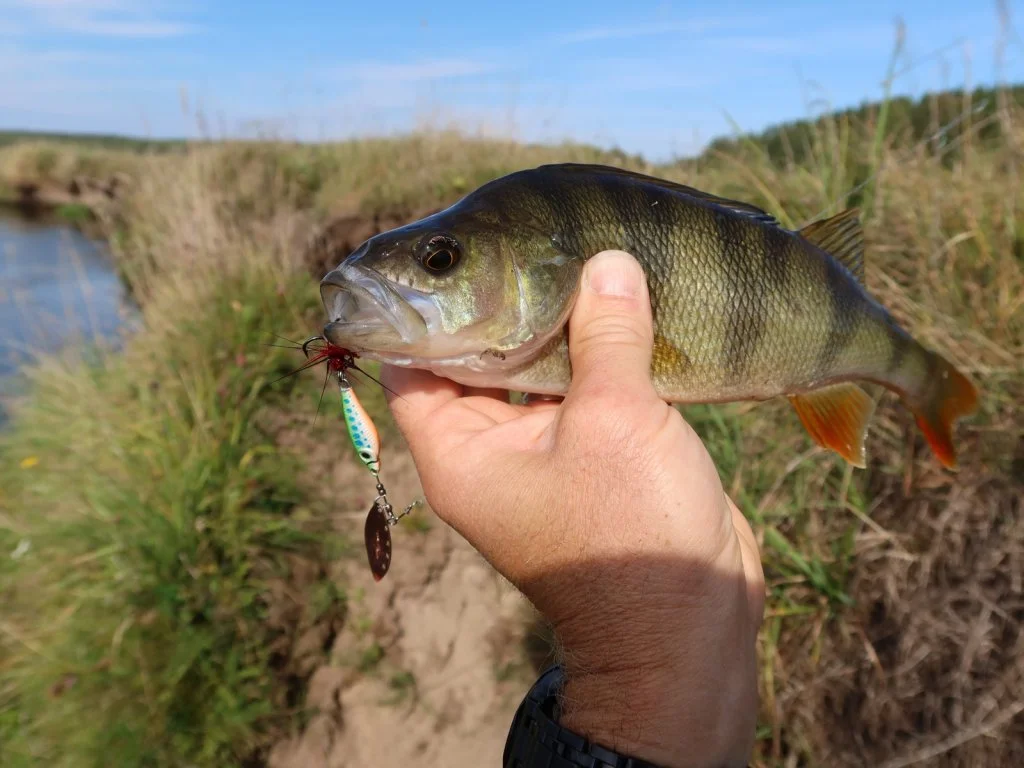
 When autumn arrives, predator fishing becomes lively again. The summer heat drops away, the water cools and holds more oxygen, and fish can feed more comfortably. Winter is not far off, so predators begin to build massive energy reserves. The European perch (Perca fluviatilis) is one of the most common freshwater predators across much of Europe, and autumn is undoubtedly one of the most active periods for targeting it.
Perch is not a large predator compared with pike or zander, but it is incredibly bold. When it is feeding aggressively, it may attack lures that look almost too big to swallow. In autumn, its appetite peaks. It chases fry around the water column and often feeds in highly competitive groups, making it a thrilling target for active anglers.
This guide covers exactly where to find perch in autumn, how its behaviour changes from September to November, what time of day to fish, and which tackle and lures work best for open-water sessions.
Where to Catch Perch in Autumn
In September, the water gradually cools and oxygen levels improve. Perch begins to feed more actively because it no longer suffers from the low-oxygen conditions common in hot summer water. Early autumn behaviour is still close to summer behaviour, except the fish spend much less time hiding in thick weed beds or deep shade.
The Seasonal Shift
- September (Shallows & Margins): At the beginning of autumn, perch does not rush straight to deep water. It can still be found in shallow areas, among reeds and lily pads, or moving through the open water in search of fry.
- October (Deepening & Schooling): As the water cools further, perch is found deeper more often. This is one of the best periods for catching bigger, solitary “humpback” perch. However, warm sunny October days can still pull feeding schools back into the shallows.
- November (Wintering Holes): By late autumn, open-water perch move toward their wintering holes, steep drop-offs, undercut banks, and deep pools. You must work the lower layers of the water column. The bite is less stable – a spot may be quiet one day and produce a dozen solid fish the next.
Pro Tip (Finding the “Boil”): Autumn perch shoals often form feeding boils. The water appears to fizz and splash as fry scatter and perch attack from below. These boils are easy to see. Casting a lure directly into this surface activity almost guarantees an instant strike.
Top Autumn Hotspots
 If you are exploring a new venue, focus your efforts on these high-percentage areas:
- Snags and Submerged Trees: Perch loves cover to ambush fry and hide from larger predators. Weedless jig rigs or offset hooks are essential here to reduce tackle losses.
- Sand Spits and Shallow Shelves: Small baitfish gather in these warmer, sandy areas, and hungry perch follow closely behind.
- Reed Beds: Reeds hold aquatic insects, larvae, and fry, creating a natural buffet.
- Uneven Bottom Relief: Sharp drop-offs, gullies, and wave-like bottom contours give perch perfect ambush points.
When to Fish for Perch in Autumn
Unlike burbot or zander, night fishing is rarely effective for perch. Perch is a strictly visual, daytime predator.
- Early Autumn (September): Perch feed best in the early morning and late evening, aggressively chasing fry near the surface.
- Mid-Autumn (October): Perch can feed consistently throughout the entire daylight period, from dawn almost until dark.
- Late Autumn (November): The morning and evening bite windows often completely shut down due to freezing temperatures. The absolute best chance to catch them is during midday, especially if the sun warms the water slightly.
Tackle and Lures for Autumn Perch
The two most popular and effective ways to catch autumn perch are float fishing (where livebait is legal) and light spinning.
Float Fishing Tactics
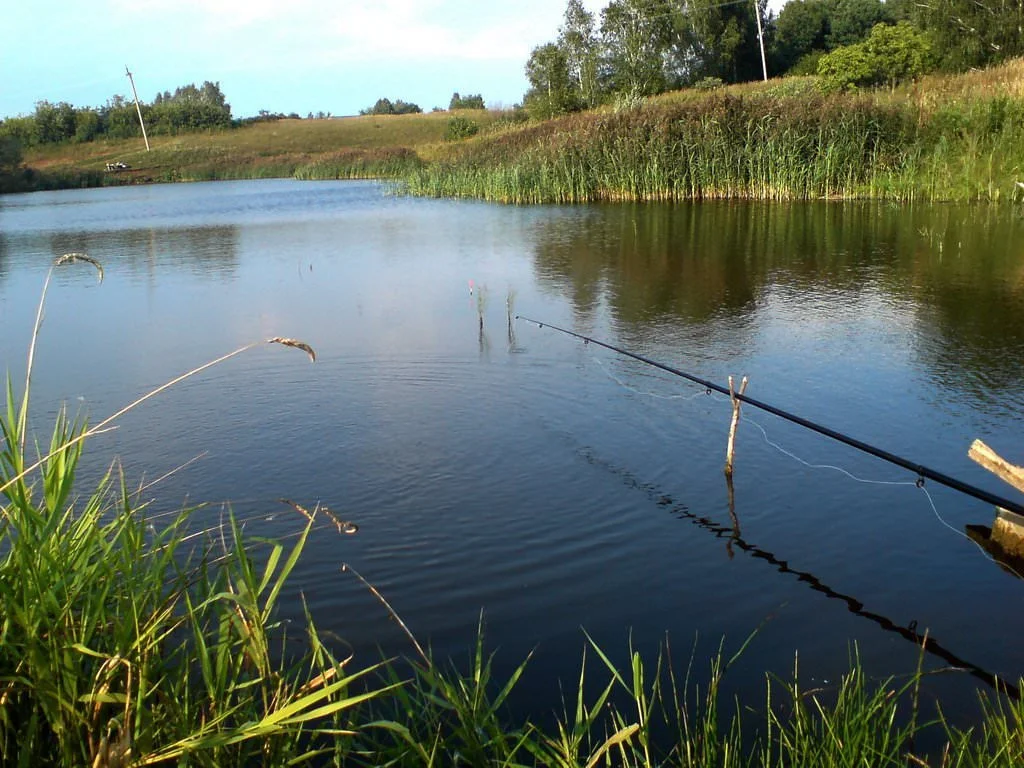
For float fishing, livebait is the classic and most natural presentation. Do not sit in one place for hours. Move actively along the bank. Give a spot about 10-15 minutes, and if there are no bites, move to the next likely swim.
Excellent livebaits for perch include:
- Gudgeon
- Bleak
- Roach or Rudd
- Small crucian carp
Because perch swallow their prey whole, bait profile matters. Narrow-bodied fish like bleak and gudgeon are easier for perch to inhale, meaning you can use slightly larger baits. Broad-bodied baits like crucian carp must be kept very small.
Spinning Gear Setup
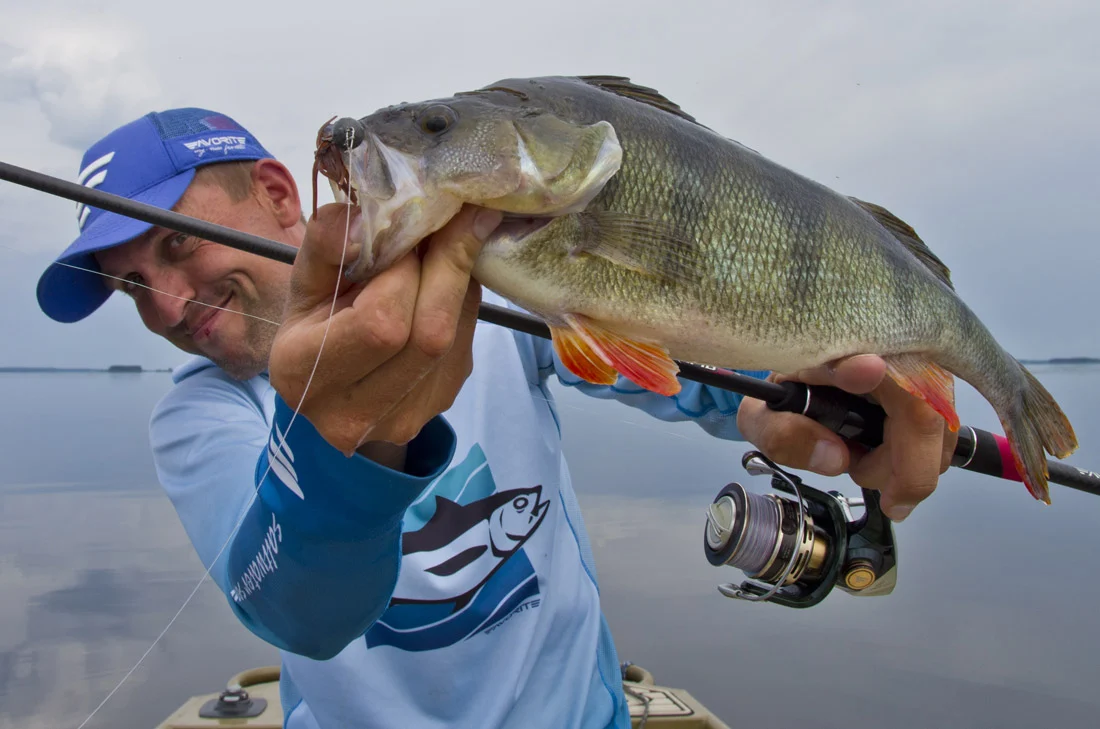
Spinning is the dominant method for modern perch anglers. It is dynamic, allows you to cover vast amounts of water quickly, and lets you adjust depth and speed in seconds.
- Rods: An ultralight or light spinning rod is ideal. Choose a length of 1.8-2.4 m (6-8 ft) with a casting weight up to 10 g (3/8 oz). A fast action rod provides better sensitivity for feeling subtle bottom taps.
- Reels: A size 2000 fixed-spool spinning reel balances perfectly with light rods.
- Mainline: Braided line around 0.10-0.12 mm (4-5 lb test) is highly recommended for maximum sensitivity and casting distance. If you prefer monofilament, use 0.18-0.20 mm (6-8 lb test).
The Best Artificial Lures for Perch
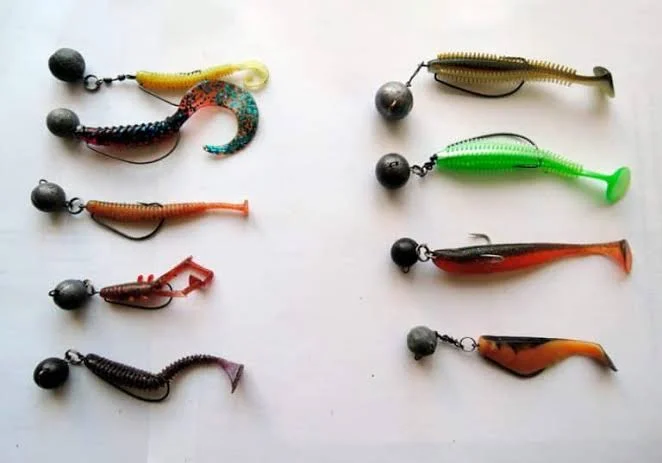
If you are casting lures, your box should contain three main categories: soft plastics, inline spinners, and crankbaits.
Soft Plastics (Jigs)
Soft plastics are especially strong in late autumn when perch drop toward the bottom. Beginners should start with 5-7.5 cm (2-3 in) paddle tails and twister grubs. Use jig heads or Cheburashka weights just heavy enough to reach the bottom. A standard “lift-and-drop” or stepped retrieve is incredibly effective.
Inline Spinners
Inline spinners (sizes #0 to #2) are excellent for covering the upper and middle layers of the water column in September and October. A steady, slow retrieve is usually all it takes to trigger an aggressive strike.
Top Autumn Crankbaits & Wobblers
Crankbaits are highly technical lures that trigger reaction strikes. Below is a quick-reference table for some of the most proven perch wobblers on the market:
| Lure Model | Length | Weight | Max Running Depth |
| Strike Pro Midge EG-074F | 40 mm (1.5 in) | 2 g (1/16 oz) | 0.5 m (1.5 ft) |
| Jackall Chubby 38 | 38 mm (1.5 in) | 4 g (1/8 oz) | 0.3 m (1.0 ft) |
| ZipBaits Rigge 35F | 35 mm (1.4 in) | 2.2 g (1/16 oz) | 0.8 m (2.5 ft) |
| Daiwa TDC 3061F | 57 mm (2.2 in) | 10.6 g (3/8 oz) | 1.0 m (3.0 ft) |
| Tsuribito Baby Crank 35F-DR | 36 mm (1.4 in) | 3.3 g (1/8 oz) | 1.8 m (6.0 ft) |
Frequently Asked Questions (FAQ)
Can I catch perch at night in the autumn?
No. European perch are strictly visual predators that rely on daylight to hunt. Once the sun goes down, they retreat to the bottom to rest. You should focus all your fishing efforts during daylight hours.
Do I need to use a wire leader for perch fishing?
Perch do not have sharp cutting teeth, so a wire trace is not necessary and may actually scare them in clear water. Use a fluorocarbon leader of 0.18-0.22 mm (6-8 lb). However, if the venue has a high population of pike, using a very thin, supple wire or titanium trace is recommended to prevent bite-offs.
What is the best retrieve speed for autumn perch?
It depends on the month. In September, a fast, erratic retrieve works well to mimic fleeing fry. By November, as the water reaches freezing temperatures, you must slow your retrieve down significantly, incorporating long pauses to give sluggish perch time to attack.

Hello, thank you very much