Important Regulations & Fish Safety Notice:
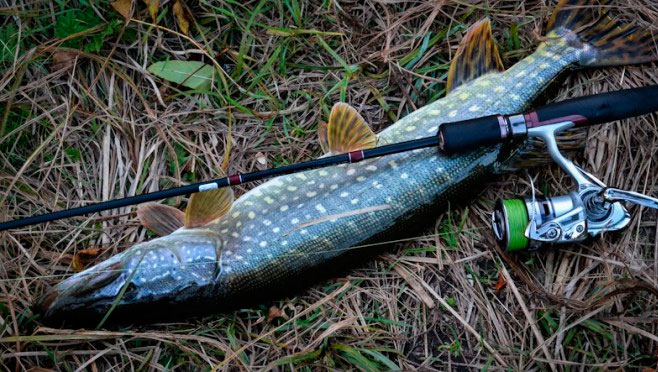
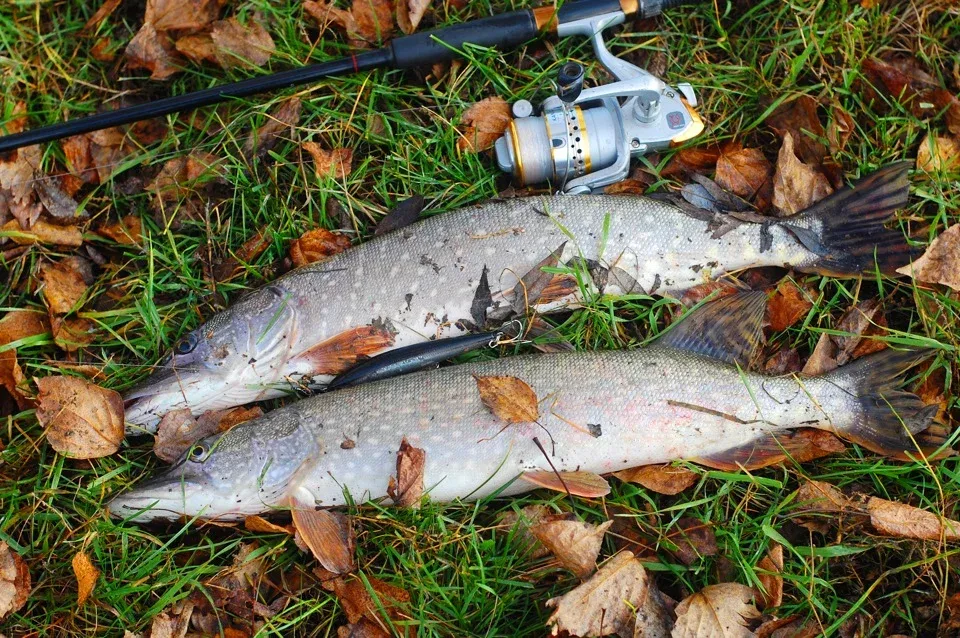
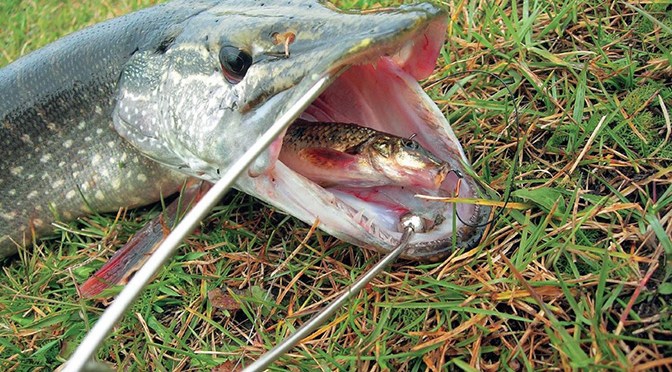
Local regulations regarding live-baiting vary significantly across Europe. In countries like Germany, Austria, and Switzerland, using live baitfish is strictly prohibited, while in the UK and Netherlands, specific fishery rules apply. Where live bait is restricted, fresh sea deadbaits (such as smelt, sardine, or mackerel) are an exceptional alternative. Always use a steel wire trace, carry long forceps, and use an unhooking mat to ensure a safe, clean release.
Where to Find Pike in Autumn
Finding active pike (Esox lucius) is far more important than simply casting out a bait. In autumn, pike positioning is entirely governed by the movement of prey fish as water temperatures drop.
September: The Early Autumn Margins
In early autumn, pike frequently remain in their summer ambush grounds. Focus your efforts close to bankside cover, including:
- Reed beds, rush gaps, and lily pads
- Fallen trees, overhanging bushes, and submerged timber
- Steep clay banks and drop-offs near shallow margins
- Clear channels between weed beds
 October: The Seasonal Transition
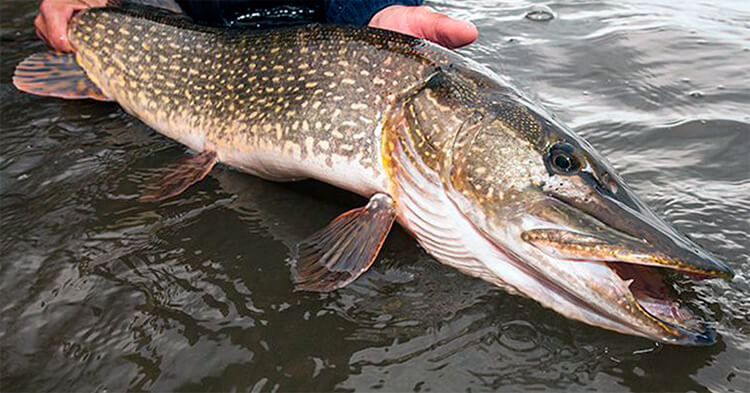
October brings fluctuating water temperatures. On mild, sunny days, small coarse fish return to the shallow margins, and pike follow closely behind. Following sudden cold snaps, prey fish retreat to deeper water, forcing pike onto drop-offs, canal ledges, and deeper gravel pit shelves.
November: Deep Water & Wintering Holes
By late autumn, prey fish gather in huge shoals in deeper, calmer areas. Target locations such as:
- Deep river bends, slow pools, and backwaters
- Reservoir drop-offs and sunken river beds
- Canal turning basins, marina entrances, and deep bridge pilings
- Deep wintering holes where prey fish aggregate
Autumn Pike Tactics with Live & Dead Bait
Stay Mobile
Do not spend all day in an unproductive swim. If a promising spot produces no indications after 20–30 minutes, move to the next venue feature. Active autumn pike usually respond quickly to a well-placed bait.
Pro Tip: Deep wintering holes in late autumn often hold multiple fish. If you catch a pike from a deep hole in November, it is worth staying longer or re-visiting the swim later in the day.
Trotting River Margins
On flowing rivers, drifting a float-fished bait along a line of reeds or a deep shelf is remarkably effective. Open the bail arm, control line speed with your finger, and allow the current to carry the float through potential ambush zones.
Depth & Presentation
Set your float depth so the bait swims 15–25 cm above the lakebed or riverbed. Keeping the bait slightly elevated prevents it from hiding in bottom weed or silt and ensures it remains clearly visible to pike looking upward.
Striking the Take
When a pike takes the float, avoid striking instantly, but do not wait too long. Pike grab a baitfish, move a short distance, stop to turn the prey head-first, and swallow it. Wait for a steady, purposeful pull on the float, then strike with a firm, controlled lift of the rod. Delaying too long leads to deep-hooked fish, which are difficult to release safely.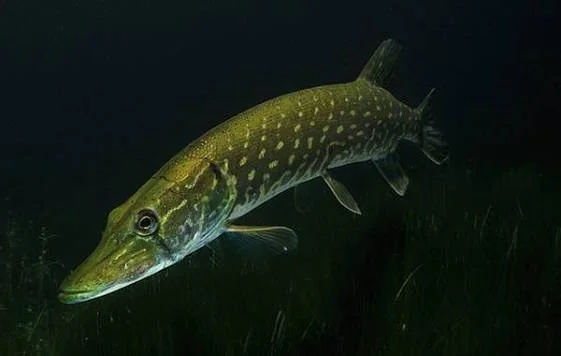
When is the Best Time to Fish?
- Early Autumn (September to Early October): Pike feeding peaks during low-light conditions at dawn and dusk. Arriving at the water before first light often yields the fastest action.
- Late Autumn (Late October to November): As daytime temperatures cool, pike shift their primary feeding window to midday (between 11:00 AM and 2:00 PM) when water temperatures reach their daily peak.
Autumn predator fishing can remain exceptionally productive right up until margins freeze over in winter.
Choosing the Best Baitfish for Pike
Using natural prey species native to the venue you are fishing yields the best results.
Top Live Baits (Where Legal)
- Roach & Rudd: The classic all-round livebaits for European waters.
- Small Perch: Durable and active on the hook; pike readily strike young perch.
- Gudgeon & Bleak: Exceptional baits for rivers, canals, and small gravel pits.
- Silver Bream & Small Crucian Carp: Highly resilient baits that stay active for long periods.
Top Sea Deadbaits (Universal Alternative)
- Smelt: Highly aromatic with a distinct cucumber scent that attracts pike in cold water.
- Sardine & Herring: Oily baits that release a strong scent trail in deep lakes and rivers.
- Mackerel Tail Cuts: Tough skin that holds up exceptionally well to far-distance casting.
Recommended Bait Sizes
- Standard Size (7–12 cm / 3–5 inches): Ideal for general fishing, avoiding small perch bites while tempting average-sized pike.
- Specimen Size (13–18 cm / 5–7 inches): Best suited for targeting larger autumn pike.
Float Tackle & Rig Setups for Autumn Pike
Pike gear must be robust enough to handle powerful fish and cast heavy baits safely.
Recommended Gear Specs
- Rod: 11ft to 12ft predator / deadbait rod with a 2.75lb to 3.25lb test curve.
- Reel: 4000 to 6000 size fixed-spool reel with a reliable front drag.
- Main Line: 0.35–0.40 mm monofilament or 40–50 lb braided main line.
- Wire Trace (Mandatory): 30–45 cm of 30 lb multi-strand wire trace. Never fish for pike without a wire trace.
- Float: High-visibility pike float (10–25 g loading depending on bait size and current).
- Hooks: Semi-barbless treble hooks (sizes #6 to #4) or single predator hooks to ensure rapid, damage-free unhooking.
Essential Fish Handling & Care
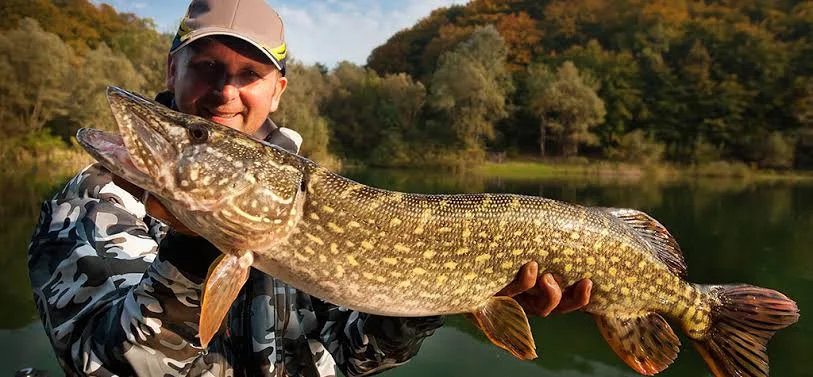
European predator angling emphasizes safe handling practices:
- Use an Unhooking Mat: Always lay landed pike on a well-padded, wetted unhooking mat.
- Carry Long Forceps: Pike have razor-sharp teeth. Long-nosed forceps (20–25 cm) are mandatory for reaching hooks safely.
- Support the Fish Properly: Support the pike underneath its belly when lifting for photos, and hold the fish upright in the water until it recovers and swims away naturally.