
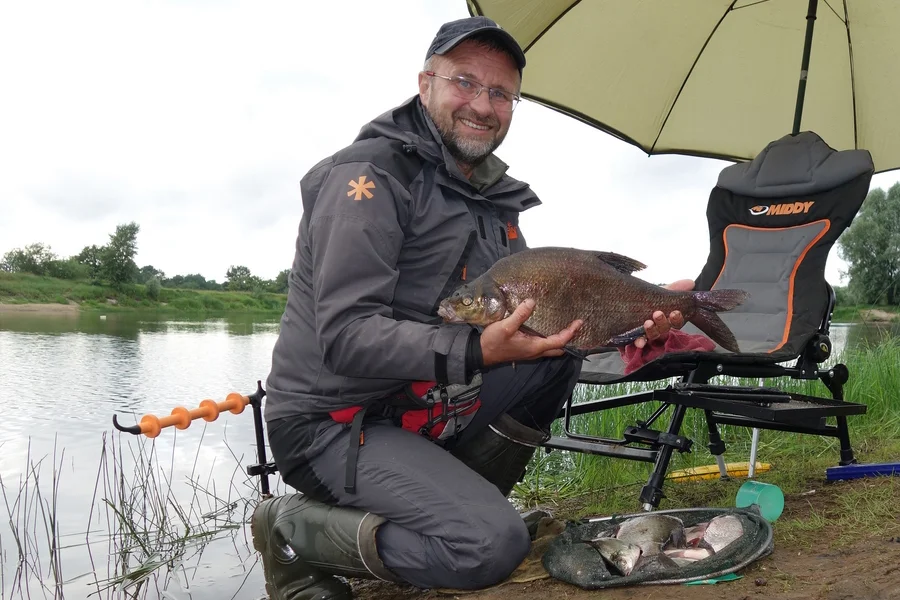
A skilled angler knows their target species in detail: behavior, habitat, feeding habits, and bite patterns. Understanding these patterns is essential for identifying the fish before the hook-set and knowing exactly when to strike for the best results.
Bream Bites on a Float Rod
The float rod is a staple of recreational angling. While many anglers simply enjoy the process, understanding classic bite patterns significantly increases your success rate.
Common Float Bite Patterns
-
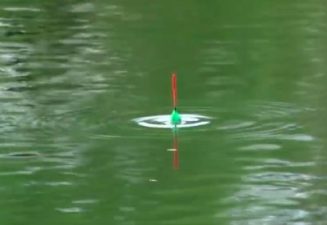 The “Lift” Bite (Float rises or lays flat): This is the most common pattern. The float lifts slightly, then lies flat on the surface. Bream are bottom-feeders that typically take bait in a near-vertical position. After taking the bait, they return to a horizontal stance, causing the float to rise.
 -
The “Travel” Bite (Lift, move, and sink): If the bream begins to swim forward immediately, the float lifts only slightly, moves sideways, and then sinks under the water.
Pro-tip: Try to observe the correlation between the bite pattern and the fish size; over time, you will learn to estimate the size of the bream before even hooking it.
Bream Bites on a Feeder Rod
Feeder fishing allows for greater casting distance and precision, increasing your chances of targeting larger bream in deeper or more complex bottom relief.
Common Feeder Bite Patterns
-
The Classic “Pull-and-Run”: The bite starts with one or several cautious pulls, bending the rod tip smoothly.
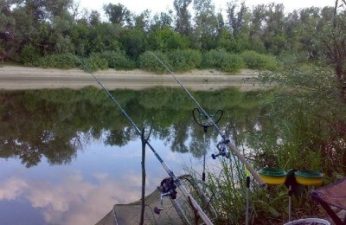 This is followed by a sharp, decisive bend, and the line begins to peel off the reel actively—a situation often called a “train”. Strike immediately as the tip bends decisively.
 -
The “Drop-Back” Bite: The rod tip suddenly straightens, or if using a bell, the line goes slack and the bell drops. Strike as soon as you notice the tip straighten or the bell drop.
Bream Bites on a Winter Rod
Bream fishing remains productive throughout the winter, though bites become much more delicate and light due to the fish being less active.
Common Winter Bite Patterns
-
Nod-Tip (Springer) Bites:
-
The “Straightening” Bite: The rod tip simply straightens. It is barely noticeable but can often be felt in the hand.
-
The “Bending” Bite: The nod bends in small, irregular jerks, becoming stronger as the fish takes the bait. If the bream feels the hook point, the bite may become more aggressive.
-
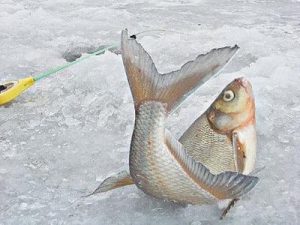 Winter Float Bites: These mirror open-water patterns, appearing either as a lift/lay-flat motion or an erratic, jerky dive under the water.
This is how bream behave, providing excitement for anglers in any season. We hope this guide helps you improve your success on the water. If you have any questions or insights to add, feel free to leave a comment below. We are always happy to hear from you!
Tight lines!