
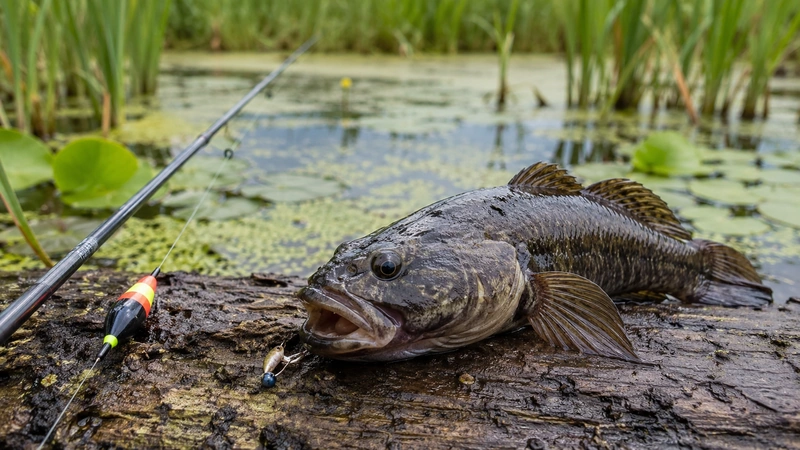
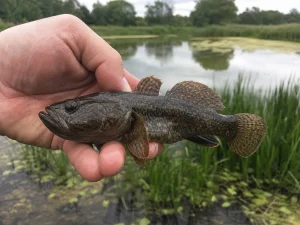
 The Amur sleeper, known to many anglers as rotan, is a highly aggressive freshwater predator. Its boldness and voracious appetite are often compared to a piranha, although it is, of course, far less dangerous. In appearance, the rotan resembles a mix of a goby, a gudgeon, and a ruffe—a compact, dark fish with a broad head and a large, hungry mouth.
For anglers, this fish is fascinating because its appetite seems almost endless. Rotan is extremely voracious; it will not hesitate to consume smaller individuals of its own species if the opportunity arises. Because of this, it is almost impossible to go home empty-handed wherever rotan are present. The species can live up to 15 years, reaching a maximum size of 0.5 kg (about 1 lb) and 35 cm (14 in). Although it belongs to the ray-finned fish group, its most defining trait for anglers is its remarkable ability to survive in extreme conditions—even in waters that freeze solid to the bottom.
The most common methods are float fishing and ultralight spinning.
Baits and Lures for Rotan
Rotan is omnivorous, but it shows a clear preference for animal-based baits. In nature, it feeds on small fish, leeches, newts, tadpoles, and even carrion. For float fishing, the following baits are highly effective: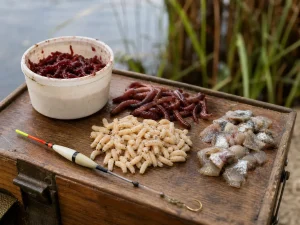
- Natural baits: Redworms, compost worms, bloodworms, and maggots.
- Alternative options: Small pieces of fish, meat, pork fat, or chicken skin.
- Live bait: Small baitfish are excellent for targeting trophy-sized rotan. You can even use small pieces of rotan itself as bait.
When fishing, do not be afraid to animate the bait. Small, rhythmic movements often provoke this predator to strike. If the bite is slow, playing the bait is a proven way to increase your catch.
Large rotan can also be caught on leeches. While this bait is used less frequently—largely because many anglers dislike handling leeches—it can be highly effective for trophy specimens, as bites on them are rarer but usually result in larger fish.
For spinning tackle, anglers use a wide variety of small soft plastic lures, with micro-jigging usually being the most effective approach. While spinning is less traditional than float fishing, it is highly productive. Rotan attacks micro-jigs much like perch do; if a pond contains both, you can often catch them side by side.
Where to Catch Rotan
Rotan inhabits diverse water bodies, including rivers, large and small ponds, reservoirs, and lakes. It spreads quickly and can become the dominant species in a pond unless controlled by predators like perch, pike, or even minnows, which are known to consume large numbers of young rotan.
Rotan does not spread evenly. To fish successfully, focus on locating these “ambush” zones. Start your search in overgrown or cluttered areas where the fish has plenty of cover or escape routes. Prime spots include:
- Dense vegetation (lily pads, algae);
- Reeds and rushes;
- Submerged branches, snags, and fallen trees;
- Underwater debris like old boats or collapsed platforms;
- Areas with surface duckweed.
Usually, there is no need to fish far from the bank. Much like crucian carp, rotan often hides near submerged bushes or logs. Furthermore, you do not have to fish directly on the bottom. Rotan readily attacks bait presented 20 cm to 50 cm above the bottom, and in shallow nearshore areas, it may even strike bait presented close to the surface.
When to Catch Rotan
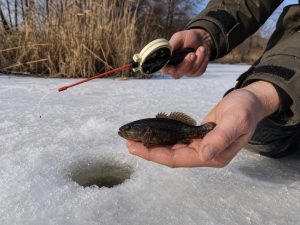 Rotan is active year-round. While summer vegetation provides more hiding spots, spring, autumn, and winter can be equally productive.
- Spring: As water warms, rotan moves to shallow, sun-drenched areas. Warm, sunny days are best, with peak activity around midday when temperatures are highest.
- Summer: Bites occur throughout the day and night, though morning and evening are generally most productive. Midday and night activity may drop, but rarely stops completely. Even sharp pressure changes rarely dampen the rotan’s appetite.
- Autumn: As cold weather arrives, activity shifts toward the midday hours. Night fishing remains effective until the first hard frosts, after which the fish may calm down.
- Winter: The key to winter success is locating the school. While deeper holes are the usual target, rotan can sometimes be found in unexpected locations. Once you find them, the bite is usually fast and furious.
Fishing for Rotan with a Float Rod
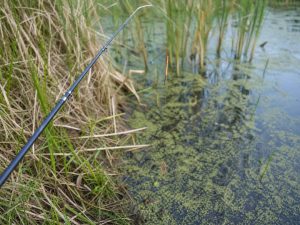 Since long casts are rarely required and frequent short casts are common, a light, comfortable 4-metre (13 ft) rod will make the session much more enjoyable. Use a main line of 0.10–0.20 mm. If you are targeting larger specimens (over 200 g), consider a stronger hooklength to prevent the rotan’s sharp, small teeth from fraying your line.
Although animal baits are preferred, rotan will occasionally take plant-based options like corn, peas, or pearl barley.
Fishing for Rotan with Spinning Tackle
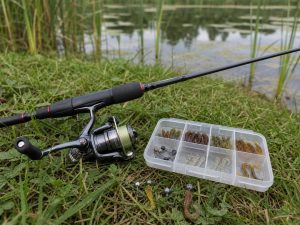 Spinning for rotan is very similar to perch fishing, except that the retrieve should be slower with longer pauses. Use a simple, short ultralight rod with a low casting weight. The main thing is that the rod feels comfortable and does not tire your hand during frequent casting.
Micro-jigs and scented soft plastics (twisters and paddle tails) are your best tools. Scented soft plastic worms can be especially effective, sometimes producing bites on almost every cast. Give the lure a lively action, but keep the overall retrieve slow. In most cases, the predator grabs the lure during the pause. While small metal spinners or spoons can occasionally work, they are usually just “bonus” lures and not your primary method.
These are our main tips for catching rotan. If anything is unclear—or if you have your own experience to share—leave a comment below. Tight lines!