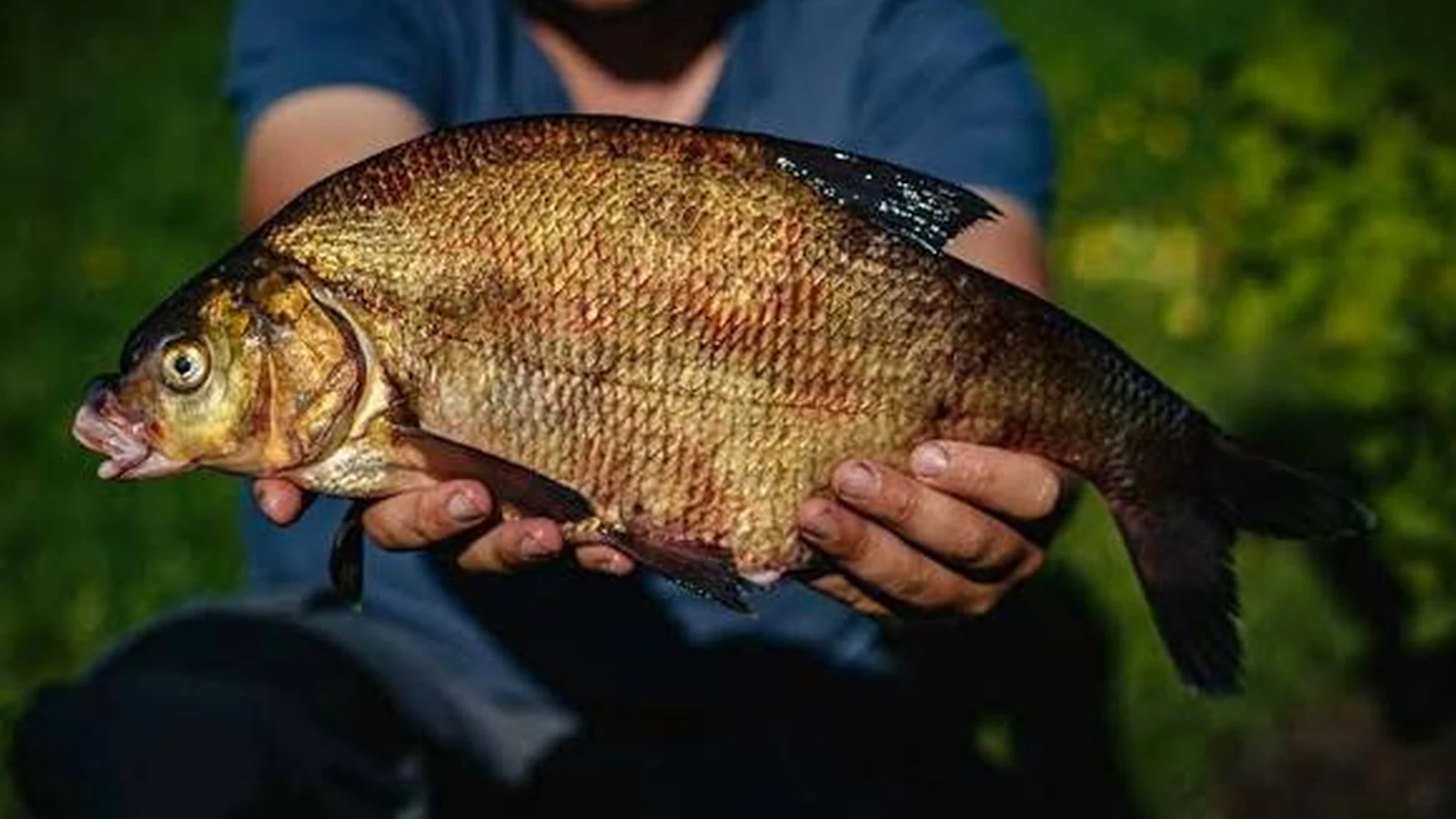
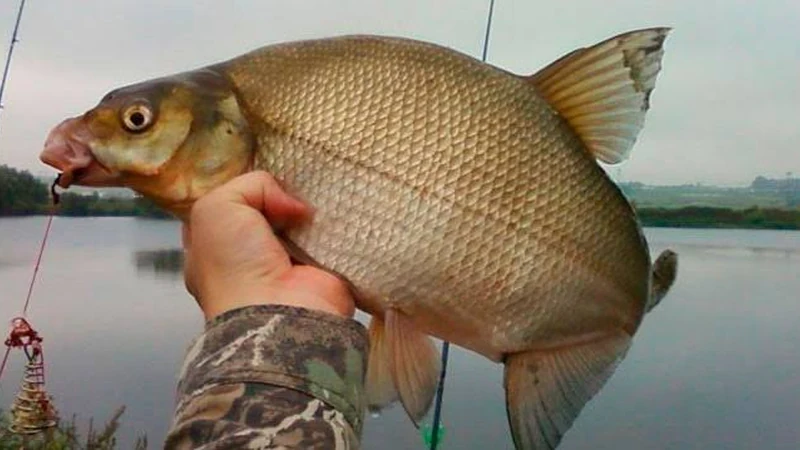
On one lake, a piece of worm gets you straight into bream. On another, the little crucians get to it first. A grain of sweetcorn makes more sense there: it can cut down on bites from the smallest fish, and if a crucian does take it, it’s often a better one. Go back to the same lake in early spring and the corn that caught well in July might sit untouched while a maggot gets bites.
For common bream, worms, maggots and sweetcorn are three useful starting points, but they are not the only good baits. Pellets, mini boilies, paste and even a grain of pearl barley can have their day. The useful question is which one suits the water in front of you. What are the bream used to eating? What else is taking the bait? And will the bait stay on the hook when you cast?
How to choose your first bait for bream
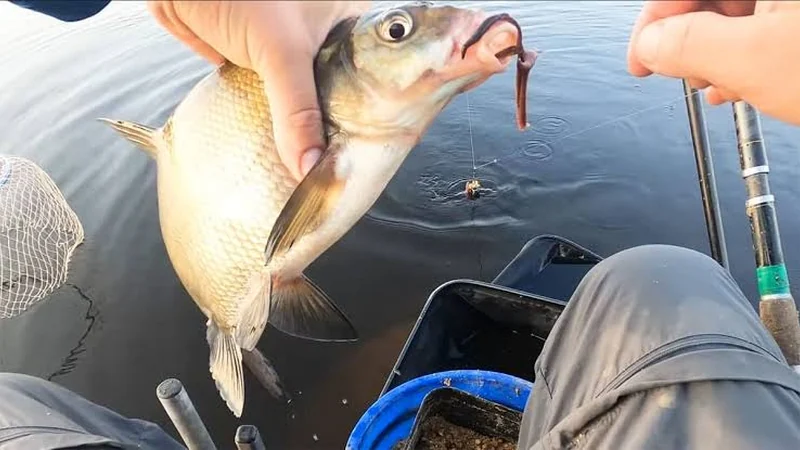 Start with what you know about the swim. Recent catches and what anglers regularly feed are useful clues. Over soft silt where bream are picking up insect larvae, a small natural bait is worth trying. Where pellets go in day after day, a soft pellet or a small wafter gives the fish something familiar.
| Hookbait | A good reason to try it | What to watch for |
|---|---|---|
| Worm | A natural option on many rivers, canals and lakes | Small fish may strip the hook before bream arrive |
| Maggots | Small, lively bait for cautious bites, including in cool water | Roach and other small fish may get there first |
| Sweetcorn | A firm grain when you want to discourage the smallest fish | A whole grain may be too much when bites are tentative |
| Pellets | Fish are used to pellet feed on that water | Choose a hookable soft pellet or mount a hard one correctly |
| Mini boilies and wafters | A durable Method feeder hookbait on suitable waters | A large or unfamiliar bait may go untouched |
| Paste or dough | A soft alternative for short-range float fishing | It may not survive a forceful cast |
Worms: from a small piece to a bunch
A dendrobaena is easy to fish in different sizes without changing the bait itself. Start with a short section, pass the hook through the side once and leave the cut end free. That gives you a small bait that still moves and will catch skimmers as well as better bream. With a whole worm, put the hook through the thicker part near the saddle and leave the tail hanging free. If you keep getting pulls with no fish attached, shorten the tail before changing the bait entirely.
I once switched from a single worm to a bunch, hoping for a bigger bream. The bites stopped. For 40-60 minutes, I didn’t get a bite. Then a bream weighing 2.5 kg took the bait. If you’ve put on a bigger bait because you want a bigger fish, give it time. Fewer bites can be a fair trade when you’re waiting for a better bream.
To try it, put two or three small worms on the same hook, piercing each once so the ends can wriggle. Use a hook with enough room between the point and shank to hold the bunch without blocking that gap. A section of lobworm is another way to put a substantial bait on the bottom. For a longer feeder cast, you can mount two short worm sections on a hair with a quick stop and leave the hook bare.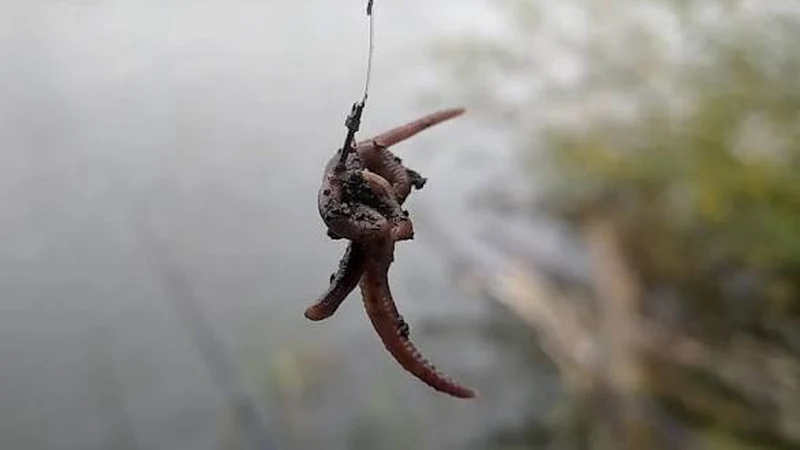
A worm bunch makes sense when you’re prepared to trade frequent bites for a chance at a better fish. But if you’re reeling in chewed scraps on every cast, a bunch may simply give the small fish more to work on.
Sweetcorn: a firm hookbait for float or feeder
Use ordinary tinned sweetcorn. Pick a firm grain, push the hook in through the softer base and bring the point out through the skin. One grain is enough to start with. If you want to fish two, put them on a short hair and secure them with a bait stop. That gives you a bigger bait without stuffing the bend of the hook with corn.
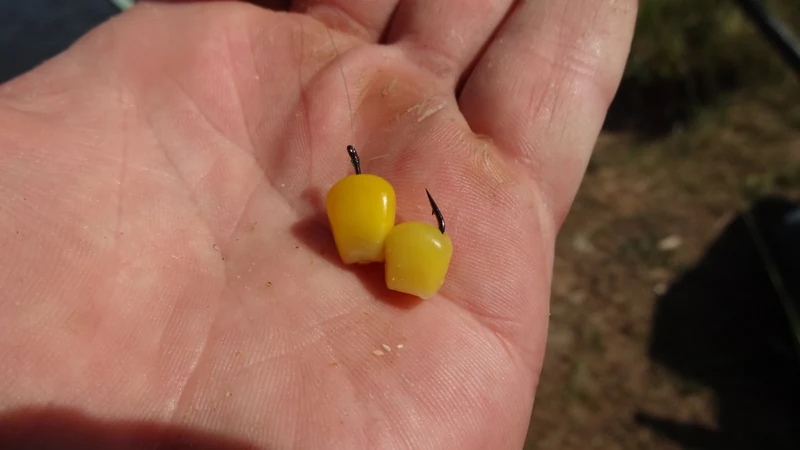
Corn takes a knock on the cast and stays on better than a piece of worm. It’s also worth starting with when bream are taking grain confidently, even if there’s no trouble from small fish. If you’re getting bites on maggots but a whole grain comes back untouched, try half a grain for a smaller mouthful before giving up on corn.
Maggots, casters and bloodworms: when to fish a smaller bait
Live maggots make sense when you want a small bait with plenty of movement, particularly in cool water. Start with one on a small hook, or a pair if you’re getting confident bites. Just nick the skin at the blunt end; pushing the point deep into the body can burst the maggot. A bunch of about five is worth trying when a single maggot is catching and you want a bigger offering. Choose a wider gape for the bunch and keep the point clear. On a swim full of hungry little roach, adding more live maggots can keep you just as busy.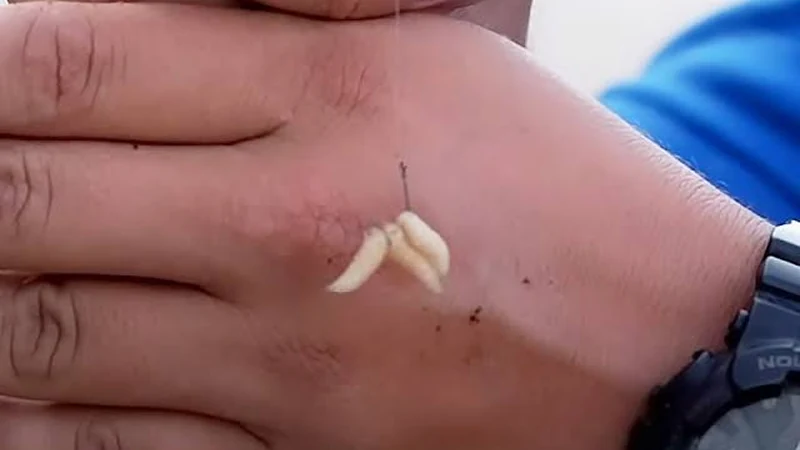
Dead maggots are a useful option on a feeder. Fish two dead reds, hooked through the blunt ends, when you want the same small mouthful sitting still. They won’t wriggle into the silt or under stones. If roach are still getting there first, change the bait’s size or firmness rather than counting on the lack of movement to solve it.
Casters are maggots that have turned into pupae. They’re a good alternative if you’re feeding casters already and want the hookbait to match. Start with one. Ease the point in at one end and bring it out again without crushing the shell. You can also use a caster to tip a piece of worm. They’re still small enough for roach and skimmers, and the shells can split if you’re rough with them.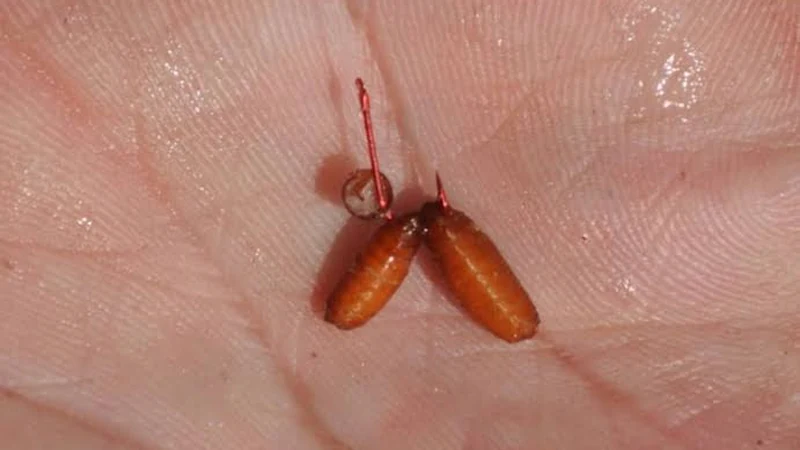
Bloodworms are useful when even a maggot looks too big, especially on cold canals and stillwaters. Gently nick one through the middle on a small, fine-wire hook, or add a second larva for a slightly bigger bait. Check it after a missed bite: a bloodworm won’t take the abuse that corn will. Some fisheries restrict or ban it, so check before you buy. If you’re getting bait ahead of the weekend, here’s how to keep bloodworms fresh.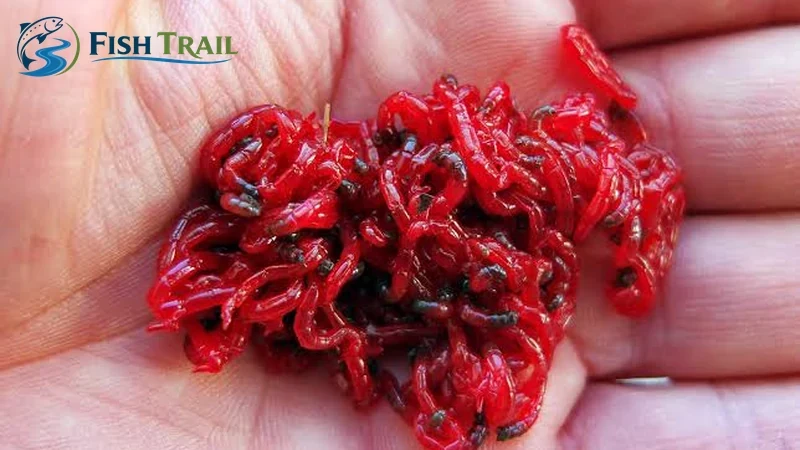
Peas, pearl barley and semolina: three alternatives worth carrying
A cooked whole pea is a useful step up from one grain of corn. Use a firm tinned pea or cook whole peas until a baiting needle will go through them while the skins still hold together. Put a single pea on a short hair with a bait stop. It’s a bulky bait that small fish have a harder time taking whole; if you’re after skimmers or bites are scarce, try a smaller grain first.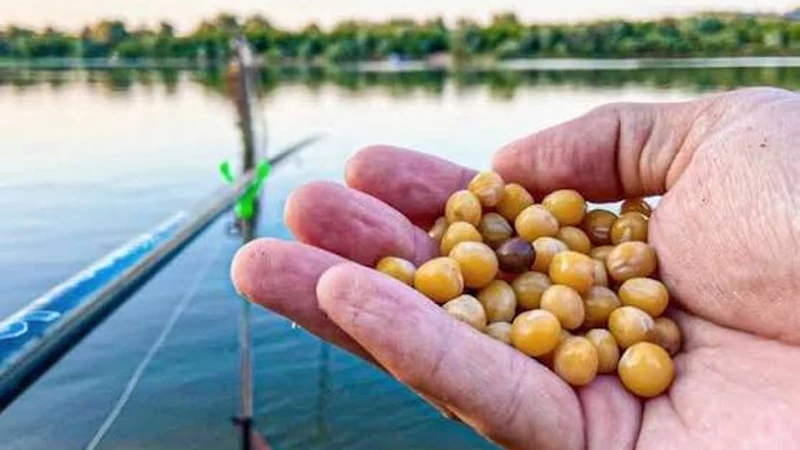
Cooked pearl barley gives you that smaller grain. Put one or two on the hook by piercing the firmer side and bringing the point through. The grains should be tender enough to pierce without falling apart. It’s a useful change from corn on a float, especially if you’re happy to catch roach and other coarse fish alongside the bream.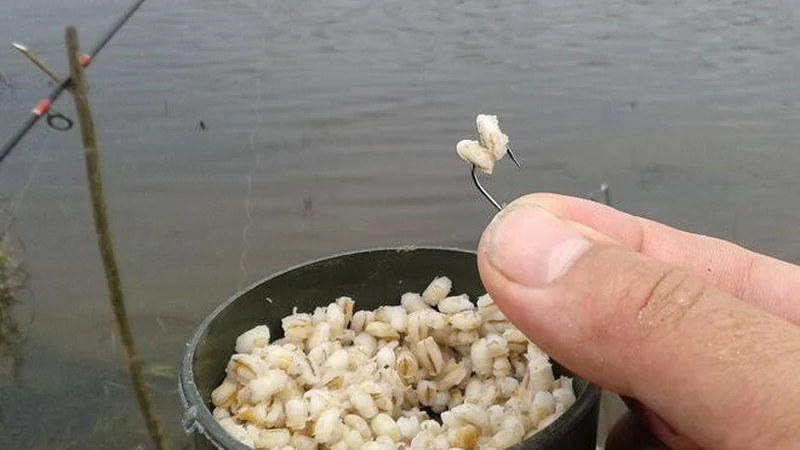
Semolina paste or soft dough is best lowered in under a float at short range. Mould a pea-sized dab around the shank and bend with the point showing. Lower it in gently: a soft paste can fly off on a hard feeder cast.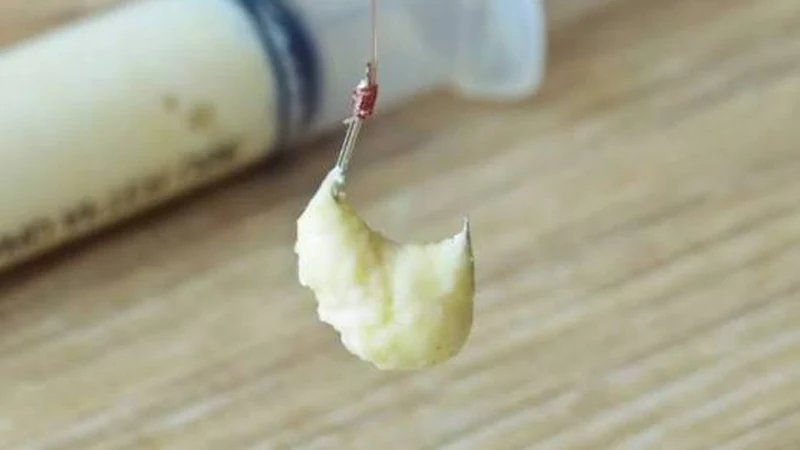
Try it again after dark. If small fish strip your paste in daylight, fish a firmer bait such as corn while they’re busy. On waters where those little taps die away after dusk, switch back to semolina paste or dough. Bream can carry on feeding after dark, and the soft bait now has time to reach the bottom and sit there. If it’s still coming back stripped, stick with the firmer bait.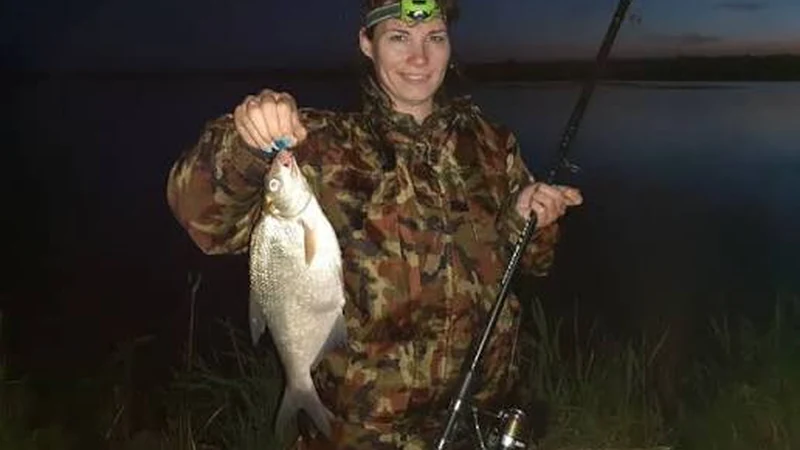
Pellets, wafters and mini boilies on waters where they’re fed
If anglers around the lake regularly feed pellets, give the bream something they’re used to picking up. Under a float, start with a soft expander pellet. Pass the point through the side and out again; if the pellet splits, use a fresh one. A hard pellet is better mounted in a bait band than forced onto the hook.
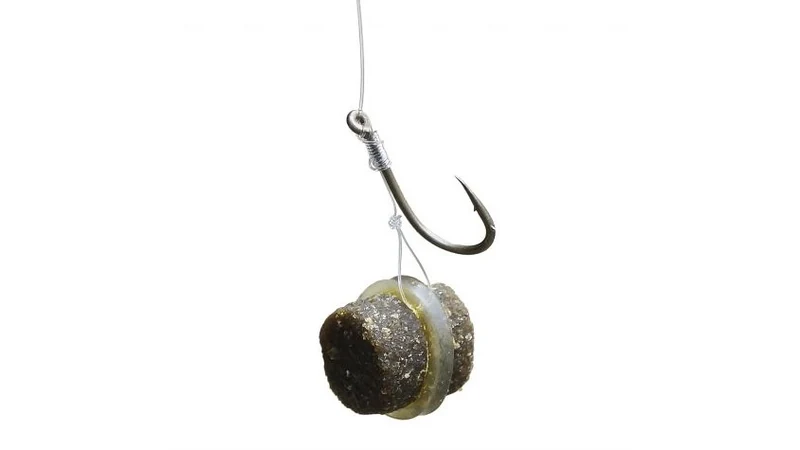
For the Method feeder, start with a 6-8 mm wafter or mini boilie on a short hair. Mount it with a bait stop or a spike suited to the bait. A wafter is buoyant enough to offset some of the hook’s weight; check it at the margin so you know the hook still settles on the bottom. If you’re getting bites but want a bait that stays put on a long cast, start with a firm mini boilie. If you’re after skimmers and the firm bait is going untouched, try a pair of dead reds instead.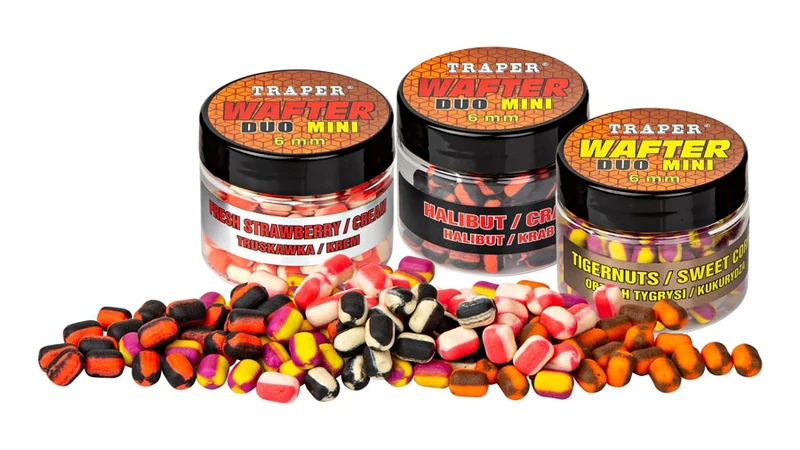
What to start with in spring, summer, autumn and winter
Spring and autumn: In cool water, a short piece of worm or a couple of maggots is a good starting point. If a grain of corn gets the first proper bites on that water, keep it on. Equally, if corn worked well in summer but is being ignored as the water cools, try a smaller natural bait.
Summer: Sweetcorn, peas and soft paste are worth trying in warm water. Where bream are taking grain confidently, a single grain of corn is a good first cast. I fished one reservoir three times in summer without landing a bream, even though I caught them there in spring and autumn. On a nearby water I was still getting summer bites. If a productive spring spot goes quiet in midsummer, give it an evening session or look for bream on a different line before ruling out the bait that worked there before.
Winter: Start with a small mouthful: a single maggot, a short worm tip or bloodworm where it’s allowed. Increase the size if you’re getting proper bites and want to offer the better fish more. If the tip keeps twitching but the bait comes back untouched, check whether you’re seeing a bream bite or a fish brushing the line before changing what’s on the hook.
Bream bait combinations that earn their place
Try a combination when two baits do different jobs: a grain of corn adds bulk, for instance, while a maggot gives it movement. Start with two ingredients and use a hook with room for both.
| Combination | What it gives you and how to fish it |
|---|---|
| Worm and sweetcorn | A moving bait with a firm grain alongside it. Put a grain on first, then nick on a short worm section. If the worm keeps disappearing, try the grain on its own. |
| Sweetcorn and maggot | A little movement on a bait that still has the colour and bulk of corn. Put the grain on first and tip it with one or two maggots. Leave the hook point exposed. |
| Worm and maggot or caster | A compact natural bait when a whole worm looks too big. Tip a short worm section with a maggot for movement, or with a caster if that’s what you’re feeding. |
| Maggot and bloodworm | A small winter offering. Nick on a maggot and one bloodworm with a fine-wire hook. |
Pearl barley with a maggot is another small combination to try under a float. At the other end of the scale, put a pea and a grain of corn on a hair if you want a bigger mouthful for better bream.
How to tell when it’s time to change your bait
A bait change is most useful when you know what problem you’re trying to solve. Before switching, check that the bait is still on the hook and that your rig is fishing as intended. Then change one thing at a time. If you move swims, change the feed and swap the hookbait together, you won’t know which change mattered.
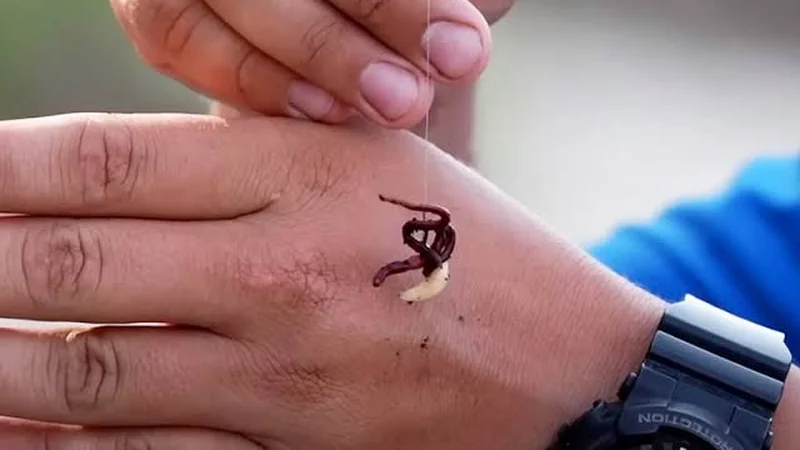
- Small fish keep stripping worms or maggots: Try a firmer bait such as corn. If you want a larger mouthful as well, try a whole cooked pea on a hair.
- Maggots get bites but corn comes back untouched: Try half a grain or return to a smaller natural bait. Don’t assume the fish have disappeared just because one bait is being ignored.
- You get knocks but rarely hook a fish: Check that the hook point is clear and the bait isn’t masking the gape. Shorten a dangling worm tail or reduce the size of the offering before replacing it entirely.
- Bites stop after you put on a bigger bait: Decide what you’re fishing for. If you want steady action, go smaller again. If you’re deliberately waiting for a better bream, check that the bait is intact and sitting properly, then give it a fair trial.
- Nothing works: Look beyond the hookbait. Bream may be feeding on a different line, at another depth or at another time of day. Reconsider your swim and presentation rather than working through every flavour in the bag.
Give each change enough time to mean something for that water and feeding pace. There’s no fixed number of minutes that proves a bait has failed.
Flavour dips: test them against plain bait
When you want to see whether flavour makes a difference, pick one to try: garlic, a fruit flavour such as strawberry or plum, or creamy Scopex.
If you’re getting the occasional bite and want to test a flavour, keep a few treated hookbaits in a separate pot and leave the rest plain. You could rub a cut clove of garlic over a few grains of corn, for example, or use a small amount of a commercial dip according to its instructions. Compare plain and flavoured versions on the same line, with the same feed and presentation. If the plain bait keeps catching, there’s no reason to complicate it.
For an unfamiliar water, pack a few baits that do different jobs: a small natural bait, something firm that will stay on, and a bait that fits the way you plan to fish. On a water you know, take what’s been catching lately and one useful alternative. That gives you room to adapt without spending the session changing baits.