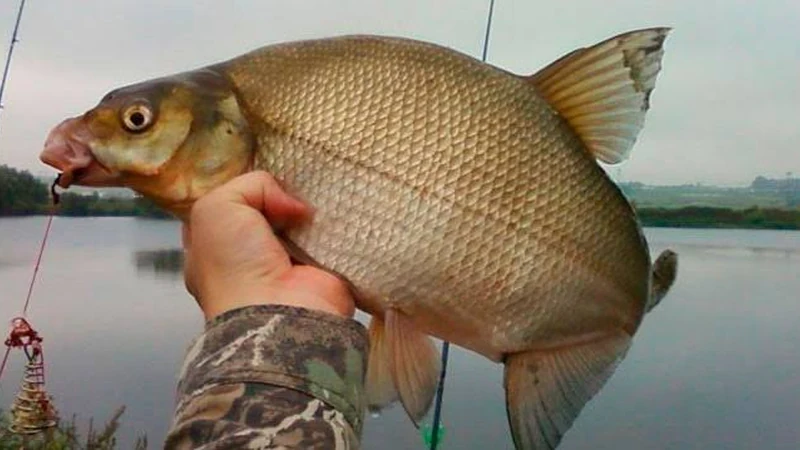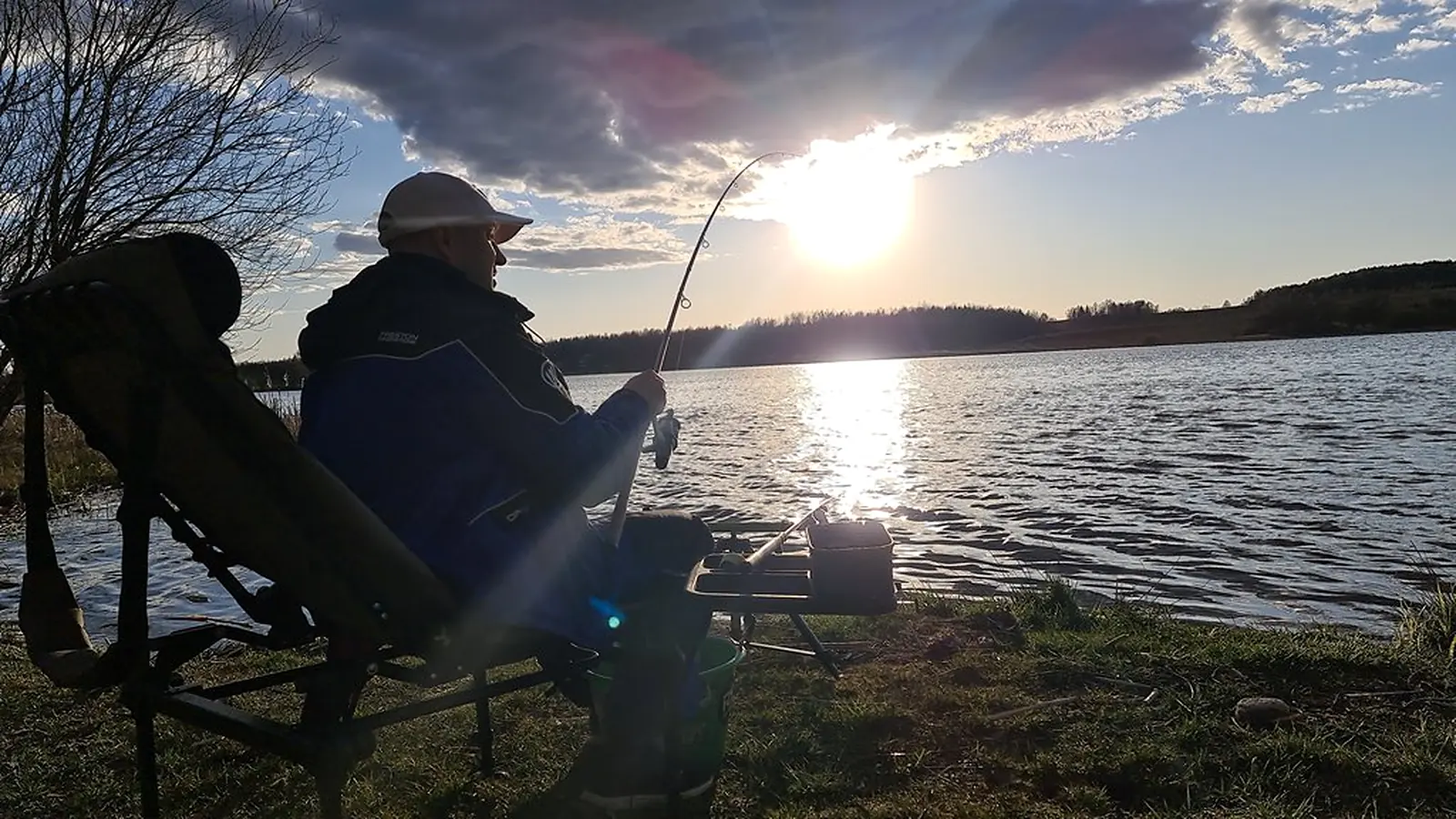
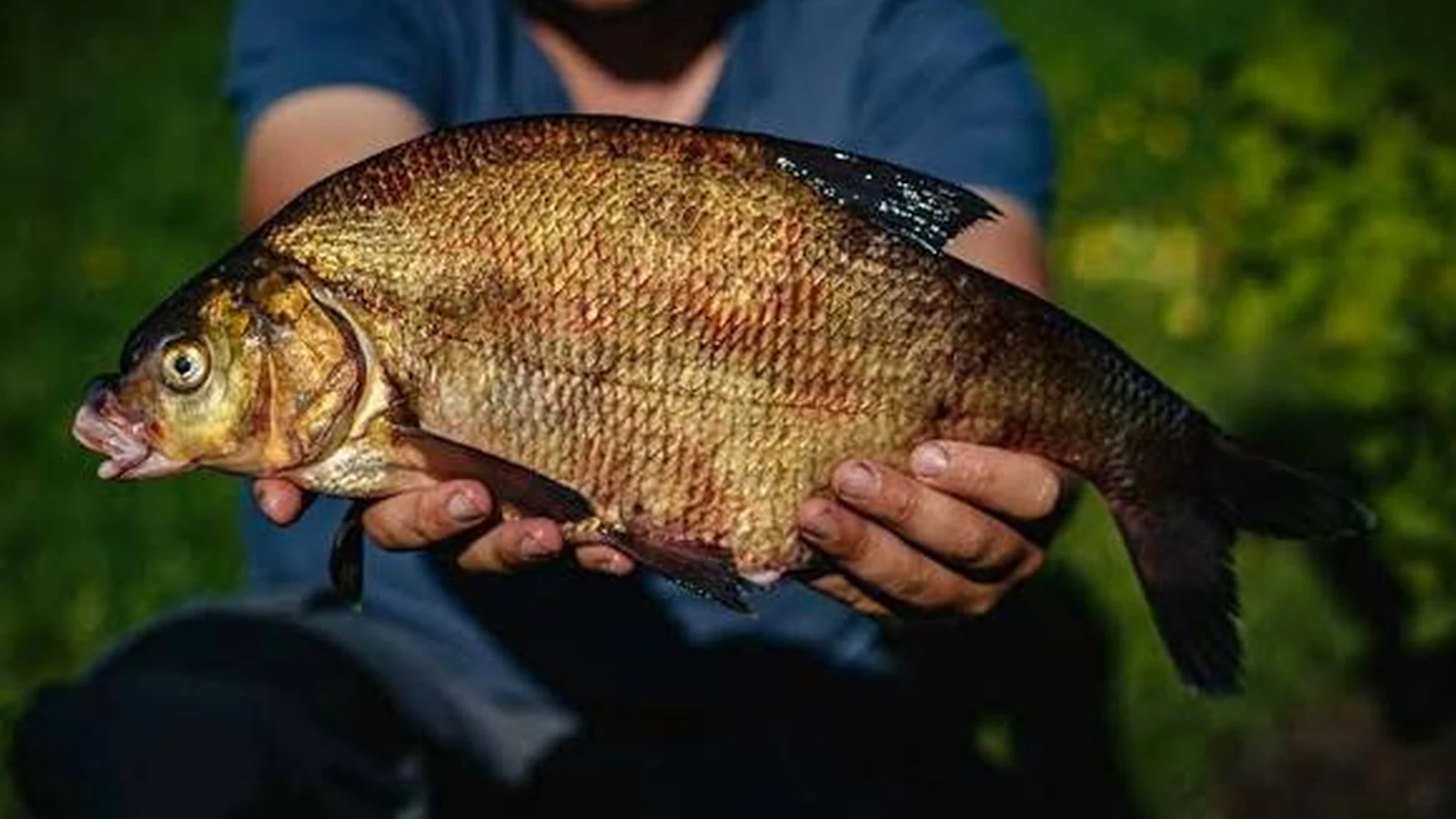
Skimmers keep rattling the rod tip, the worms are disappearing, and the big bream still haven’t shown. You can spend hours feeding that spot while the larger fish work along a nearby shelf or wait until dusk to move in. A bigger hookbait may survive the small fish for longer. Finding where and when the bream feed gives it a chance to be discovered.
Large common bream have habits worth learning. They visit feeding areas, sometimes reveal themselves by rolling at the surface, and can move surprisingly close to the bank as the light fades. Even a sudden lull in small-fish bites is worth watching closely: something may have changed around your bait.
One feeder rod, worms and sweetcorn are enough to begin. The details that follow will help you choose a feeding spot, keep the bait working and recognise when to change tactics. We’ll look at why a bigger bait can still leave you catching skimmers, what those frustrating knocks on the line might mean, and when another cast can wait. Those decisions give you a better chance of putting a big bream in the net.
Find a Water That Can Produce Your Target Fish
A lake full of small bream can keep a rod busy all day. Before committing several trips to it, find out what its larger fish actually weigh. Ask the fishery, local club or tackle shop about recent catches, then ask two more useful questions: where were they caught, and at what time?
Carp anglers are often good people to talk to. Their catches can reveal feeding areas and overnight visits that daytime anglers miss. Treat guessed weights cautiously, but take repeated reports from the same part of a lake seriously.
For your first attempts, choose somewhere with a reasonable head of good-sized fish and accessible swims. A huge gravel pit holding a few exceptional bream offers a very different challenge. Learning how a feeding shoal responds is much easier when you have regular opportunities to catch one.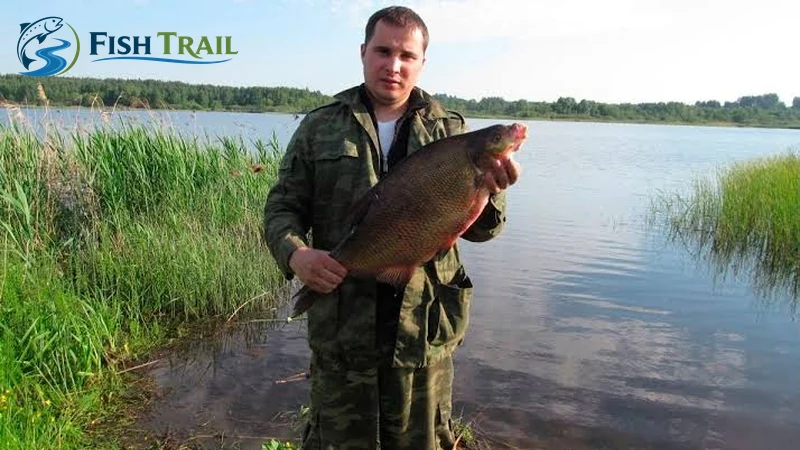
Where Big Bream Feed: Read the Water Before You Feed It
Spend a few minutes watching before you unpack. At dawn and dusk, a broad back breaking the surface can give you more useful information than a comfortable-looking peg. Note rolling fish against a far-bank landmark and investigate that area. A sighting tells you fish are present; the next job is finding somewhere to lay a bait they can reach.
Lakes and Reservoirs: Shelves, Bars and Clear Patches
Look for broad shelves, gentle slopes, raised plateaus and clear ground beside weed. These give bream room to browse across a feeding area. On an apparently featureless lake, a small depth change or a strip of different bottom can be enough to investigate.
Soft ground deserves attention too. Bream feed over silt, where natural food is available. The problem for your tackle is deep, soft mud or debris that hides the hookbait. A clean silty patch and a feeder buried in rotting leaves present very different fishing opportunities.
Explore with a plain lead before introducing food. Cast to a few distances and count from splashdown until it touches bottom, keeping the lead and line tension consistent. Compare the counts to find changes in depth. Slowly draw the lead back: a firm tap, smooth resistance or sticky pull helps build a picture of the bottom. Weed clinging to the lead is a clear reason to check an adjacent patch.
For a first session, a clear spot roughly 25-40 m out is a manageable target on many lakes. Choose a distance you can reach repeatedly, including when the wind picks up. An accurate cast to a productive shelf is worth far more than an extra 30 m into water you haven’t checked.
A bank receiving a steady, mild wind is worth a look in warm weather. Use it as a starting clue alongside sightings and catch reports. If the wind is cold or makes accurate fishing impossible, investigate sheltered water too.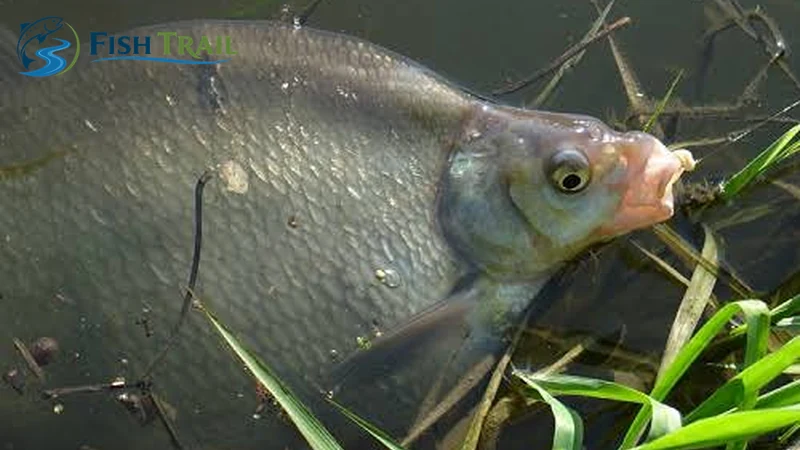
Rivers and Canals: Food and Shelter from the Flow
On rivers, begin with deeper, slower reaches, the inside of bends and sheltered water beside the main flow. Find a patch where the feeder settles and stays put. A rig repeatedly dragged out of position spreads the feed and makes it difficult to interpret the tip.
On canals, wider sections and changes in depth are useful starting points. The productive line may be a short cast away. Account for boat movements and keep navigation clear when choosing where to fish.
Time Your Session Around the Feeding Window
A quiet afternoon can turn into a productive evening without a change of swim. On clear, busy lakes, larger bream often feed more confidently as light and bankside disturbance fade. For a warm-weather first trip, arrive a couple of hours before dusk, prepare in daylight and fish into the evening where permitted. Dawn is another window worth making time for.
Daytime sessions can still produce excellent fish, especially on coloured waters or venues with established daytime feeding patterns. Local catches are your best guide. If all the recent larger fish have come after dark, that information deserves more attention than another change of flavour.
Spring warming can bring good feeding spells around the spawning period. Watch local conditions, as the timing varies across Europe, and leave visibly spawning fish undisturbed. Summer offers evening and overnight opportunities; late summer and early autumn remain well worth fishing as conditions change.
In cold water, begin with less loose feed and a smaller hookbait in an area with recent signs of fish. Keep the basic task clear: locate feeding bream, then give them a manageable meal. Check the venue’s permit, close seasons, night-fishing conditions and bait rules before travelling.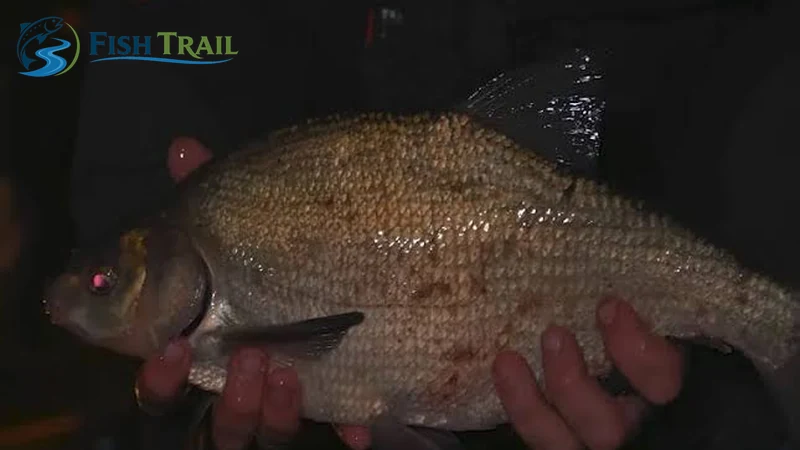
A Feeder Setup You Can Take to the Bank
You need tackle that casts the loaded feeder comfortably, shows a bite and lands a good fish. For an open-bank lake swim at 25-40 m, the following outfit is a practical starting point. If you already own similar gear, put it to work.
| Item | Starting choice |
|---|---|
| Rod | 3.6 m feeder rod with a casting rating around 60-90 g |
| Reel | Approximately 4000 size, with a smooth drag and usable line clip |
| Main line | 0.25 mm monofilament |
| Feeder | Medium cage feeder with a 30 g loading; carry 20 g and 40 g alternatives |
| Hooklength | 60 cm of 0.18 mm monofilament |
| Hook | Size 12 for a small worm tipped with a maggot |
| Quiver tip | A compatible 1-1.5 oz tip as an initial stillwater choice |
| Bank equipment | Two rod supports, long-handled landing net, unhooking mat, disgorger and spare hooklengths |
The rod’s casting rating must cover the filled feeder, including the groundbait. A feeder marked 30 g becomes considerably heavier when filled. The quiver tip’s ounce rating describes its stiffness and is separate from that casting limit. Use a firmer compatible tip if wind or tow keeps pulling the softer one around.
Build a Simple Running Rig
A running feeder rig lets the line travel through the feeder attachment. The hooklength follows behind, with a bead protecting the swivel knot. You can change feeder loading or replace a hooklength without rebuilding everything.
- Thread a free-running feeder link or large-eyed running swivel onto the main line and clip the feeder to it.
- Add a soft protective bead below the running link.
- Tie a small swivel to the end of the main line, wetting the knot before tightening.
- Attach your 60 cm hooklength to the swivel and tie on the hook, or fit a suitable ready-tied hooklength.
- Make sure the feeder attachment slides freely. Leave the line above it clear of a fixed stop that could trap the feeder after a break.
Gently slow the line before the rig lands so the hooklength extends. If it keeps tangling, inspect the casting action and try a purpose-made anti-tangle sleeve over the hooklength connection.
On a river, increase feeder loading until the settled rig holds. Move to a higher-rated rod if the filled feeder exceeds your outfit’s comfortable capacity. Around abrasive ground, a 0.20 mm hooklength gives a useful increase in strength, but inspect it frequently, particularly around shells.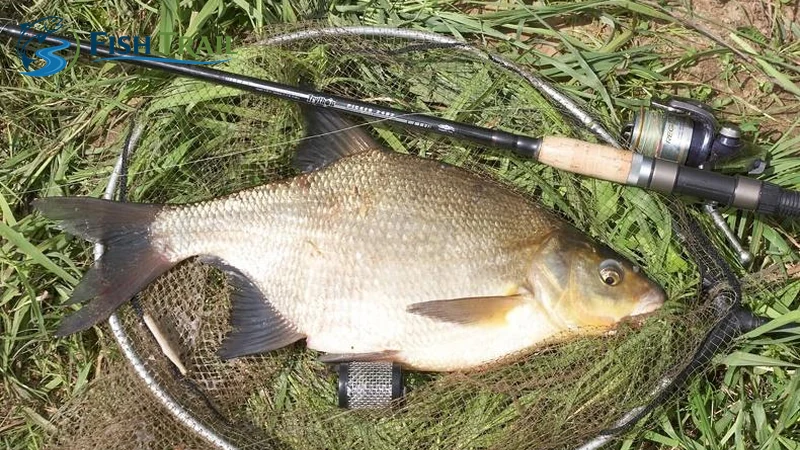
Choose a Hookbait That Lasts Until the Bream Arrive
A worm can be an excellent bream bait and still be the wrong choice for a particular cast. If small fish strip it within two minutes, a fifteen-minute wait leaves you fishing an empty hook. The first question is simple: what comes back when you retrieve?
Start with a small worm tipped with a maggot. Keep corn ready, and carry a durable pellet or mini boilie if the venue has fish accustomed to them. These give you useful changes in size, texture and staying power.
- Worm and maggot: use half a dendrobaena or one small redworm on a size 12 hook. Tip it with a maggot to help retain the worm, leaving a short section moving and the hook point clear. Try a size 10 if the bait crowds the gape.
- Maggots: three or four on a size 14 or 12 hook offer a smaller mouthful when fish are reluctant to take a larger bait. Check regularly for damage from small fish.
- Sweetcorn: begin with one grain on a size 12 hook or two small grains on a size 10, keeping the point and gape clear. A short hair is useful for mounting a larger offering below the hook.
- Pellets and mini boilies: try a 6-8 mm pellet or an 8-10 mm sinking boilie on a band or hair with a suitable size 12-10 hook. Their durability is useful for longer waits.
Choose the actual hook pattern to suit the bait: size numbers vary between makes. On a simple hair rig, a gap of roughly 3-5 mm between the bait and hook bend is a useful initial setting. Check that the bait moves freely and leaves the hook clear.
A larger bait reduces some nuisance bites; it cannot sort every fish by size. If small bream dominate, consider what you are feeding them. A steady supply of loose maggots can keep them occupied around your corn hookbait. Reduce those particles and see whether the tougher bait gets a longer, undisturbed wait.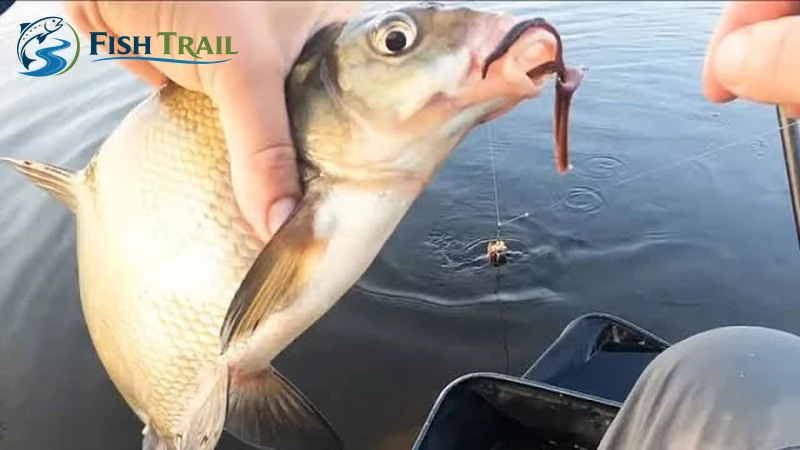
Build a Feeding Spot the Shoal Has a Reason to Stay On
Groundbait draws bream towards your spot and gives them something to eat. Corn, casters, small pellets and chopped worm add larger food items for the shoal to search for. Begin with modest amounts of these extras, then increase them as catches show that fish are feeding.
For a first four- to six-hour lake session with a reasonable stock of bream, take 1 kg of dry groundbait, about 250 ml of maggots or casters, worms for the hook and a tin of sweetcorn. A crumb-based bream mix gives you a straightforward start. Fishmeal mixes and small pellets are useful options on waters regularly fed with pellets and boilies.
Get the Mix Working Before You Cast It Out
Mix 500 g of the groundbait first and keep the rest dry. Follow the packet’s water guidance, wet gradually, allow it to absorb the moisture, then break up lumps or pass it through a riddle. Add a handful of casters or maggots and a little chopped corn to the portion you are using.
Test a filled feeder in the margin. The mix should survive the cast and descent, then begin to break out on the bottom. Check again after a normal fishing cast. A feeder that returns packed after a long wait has delivered very little food.
Squeeze the next load less firmly. If the mix has become wet and sticky, work in a little dry groundbait. If it sprays out during the cast, add a little moisture or compress it more firmly. Getting this right is more useful than adding another attractant to a mix that never leaves the cage.
Start Modestly, Then Respond to Feeding Fish
In mild or warm conditions, introduce six to eight medium feeder loads on the chosen spot with the hooklength removed. Let each reach bottom, then give a short pull to empty it. In cold water or where fish are sparse, begin with two or three loads and fewer added particles.
Attach the hooklength and fish the same patch. Start with waits of roughly 10-15 minutes, checking whether the hookbait survives. Note how long proper bites take. If several come around the seventh or eighth minute, that is useful information for your casting rhythm.
A feeding shoal can work through the loose food. After several fish, a quiet spell accompanied by continued signs of bream may justify another couple of feeder loads. If the swim becomes completely lifeless, pause before committing more food. The fish may have moved, or the feeding spell may have finished.
For longer sessions on known big-bream waters, a larger bed introduced before dusk can be effective. Build towards that approach with knowledge of the stock. Keep some feed in reserve so you can respond when a shoal arrives.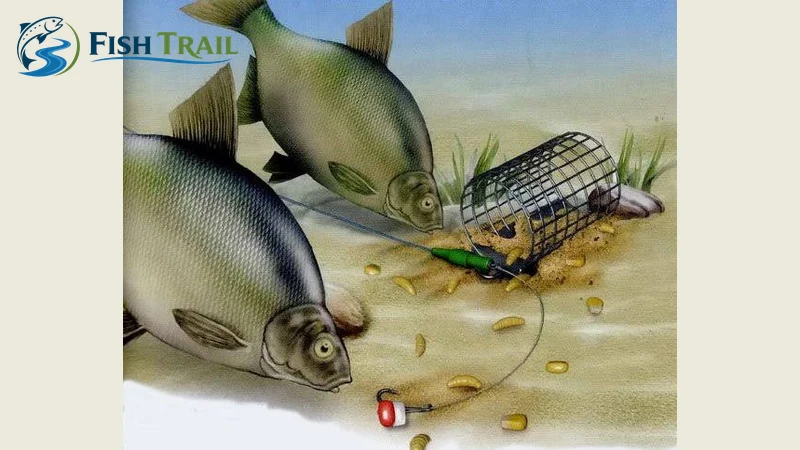
Fish Accurately and Give the Swim Time to Develop
The first feederful and the twentieth need to reach the same feeding area. Scattered casts leave fish browsing across a wide patch, with your hookbait somewhere among several small piles. Choose a clear far-bank landmark, fix your distance and establish a repeatable cast before feeding.
- Set the distance. Cast to the selected spot and put the line in the reel’s clip. Record the distance by counting wraps around two measuring sticks set a rod-length apart. Where carp are likely, unclip after casting and reset the distance before the next cast.
- Land the rig under control. Cast smoothly, gently slow the line before splashdown and cushion the feeder as it reaches the clipped distance. Let it sink without dragging it off the spot.
- Settle the rod. On stillwater, use two supports and position the rod low, angled across the line. Sink the line, then wind in slack until the quiver tip holds a slight bend. Set the drag to let a strong fish take line.
- Retrieve with a purpose. When you wind in, inspect the bait, hook and hooklength. An untouched bait, an empty hook and a knot of weed tell three different stories.
Give a well-chosen swim time. Bream can take a while to find the feed, especially on a larger water. Keep watching beyond the rod tip: rolling fish elsewhere may reveal a better line, while signs over your own spot give you a reason to stay attentive.
Those First Knocks May Be Fish Finding the Feed
Bream moving through a baited area can brush the line and knock the tip. These liners are frustrating because they look promising and produce nothing when you strike. A solitary tap or broad sweep followed by stillness deserves a moment’s observation.
If small-fish activity suddenly fades, keep your attention on the tip. Larger fish may have entered the area, although the lull alone cannot tell you which species is present. Provided your bait has been surviving, give the cast time to develop.
Strike on a sustained pull, repeated positive movement or a clear drop-back. Take up any slack, then make a controlled lift to set the hook. Some bream bites are subtle, so use the state of retrieved bait and the response to your strikes to judge the session. Our guide to reading bream bites and timing your strike explains the movements in more detail.
Keep steady pressure once the fish is hooked. Guide it over a submerged landing net, then draw the net towards you and support it when lifting. Have a wet unhooking mat ready, unhook promptly and inspect the hooklength before casting again. If bream are feeding, a spare ready-baited hooklength helps you get back on the spot quickly.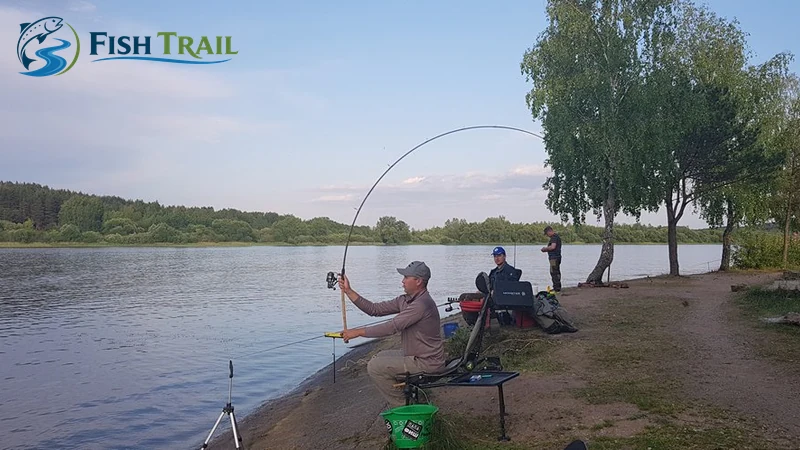
When the Plan Needs Changing
A quiet tip gives you little information on its own. Look at what the rig brings back, how previous bites developed and whether fish are still showing. Make one change, give it a fair test and compare the result.
| What is happening? | Your next move |
|---|---|
| Worms are stripped before a proper bite | Try corn or a durable hair-rigged bait. Reduce loose maggots and shorten the wait until you know the bait lasts |
| Bait is damaged, but you keep missing bites | Check the hook point and clear any bait from the gape. Try shortening the 60 cm hooklength to about 40 cm and compare hook-ups |
| The tip knocks, but the bait comes back intact | Watch for liners and allow time for a proper take. Check that the feeder is holding position |
| The feeder moves and the tip keeps loading | Increase feeder loading within the rod’s capacity, reduce line exposed to the flow or choose a slower patch |
| The hook comes back with weed or dark debris | Recheck the bottom and move onto a cleaner patch. A lighter or broader feeder may help where the feeder itself buries in soft silt |
| You catch several bream, then the swim fades | Check presentation and look for remaining signs of fish. Test a small top-up if they are still present; reassess location if the area stays quiet |
If every fish is a skimmer, a bigger hookbait is one adjustment. Also revisit the timing and swim choice. Give a productive area its evening window, or investigate where larger fish have actually been caught. More bait on the same spot will not answer every size problem.
When Bream Come Close, Try a Float
A nearby shelf can be a rewarding place to meet larger bream, particularly in low light. A float lets you hold a worm or corn over a compact feeding patch and watch the take develop. It is especially useful on sheltered water where you can control the line.
Start with a 3.9 m match rod, 0.20 mm main line, a 0.16-0.18 mm hooklength and a size 12 hook. For modest depths within comfortable casting range, a 2-4 g waggler gives a useful starting point. Shot it to leave a clearly visible tip, accounting for any built-in loading.
Plumb the exact patch and begin with the bait resting on the bottom, with a few centimetres of line lying on it. Put most of the shot near the float, then a couple of small shot down the line, the lowest around 10-15 cm from the hook. If tow pulls the bait across the swim, sink the line and try a little more depth.
Keep the feed concentrated where you can place the float repeatedly. A clear lift, sustained dip or sideways movement is your cue to take up slack and strike. Keep the net within reach before that first bite.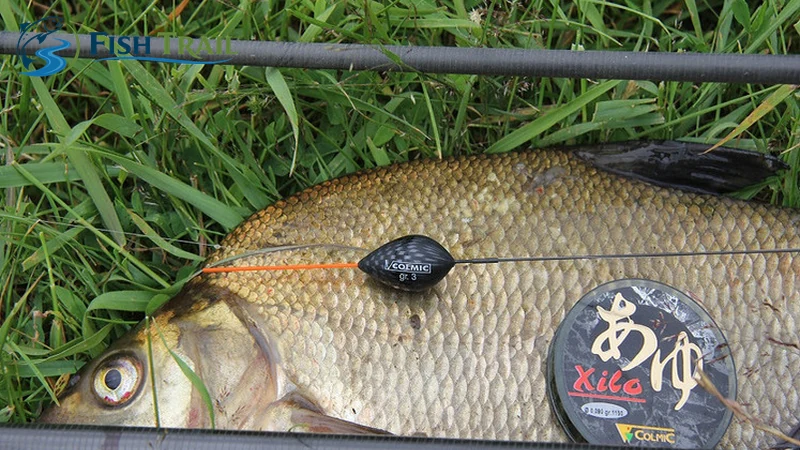
Be Ready When the Evening Changes
Finish the noisy preparation while there is light: check the bottom, organise the feeding spot and clear the casting route. Position the net, keep spare rigs ready and fit a small tip light if you are staying after dark. Practise the cast towards your landmark before it becomes difficult to see.
As dusk approaches, watch where fish show and keep track of when the first proper bite comes. Keep the headtorch on your tackle when rebaiting and the rod attended throughout. A corn or mini-boilie hookbait is useful for a longer wait when softer bait has been getting damaged.
Record the swim, distance, bait and bite times before you leave. If the larger fish arrived shortly after dusk, return early enough to have that same patch ready. A repeatable feeding window gives your next trip a purpose: you can refine the presentation and be waiting when the fish come through.